
UNICEF, Sokoto Partner Agencies to Plant 10,000 Trees in Schools
The United Nations Children’s Fund (UNICEF) in collaboration with the Sokoto State Government and other partners, has unveiled a school-based climate initiative that will see no fewer than 10,000 trees planted across schools in the state.
The initiative was launched on Thursday during the inauguration of the School Climate Adaptation, Resilience and Environment Network Hub (SCAREH), a two-day programme organised by UNICEF alongside the Sokoto State Ministry of Environment, the Sokoto Rural Water Supply and Sanitation Agency (RUWASA), and the Young and Youthful Initiative (YOUNGI).
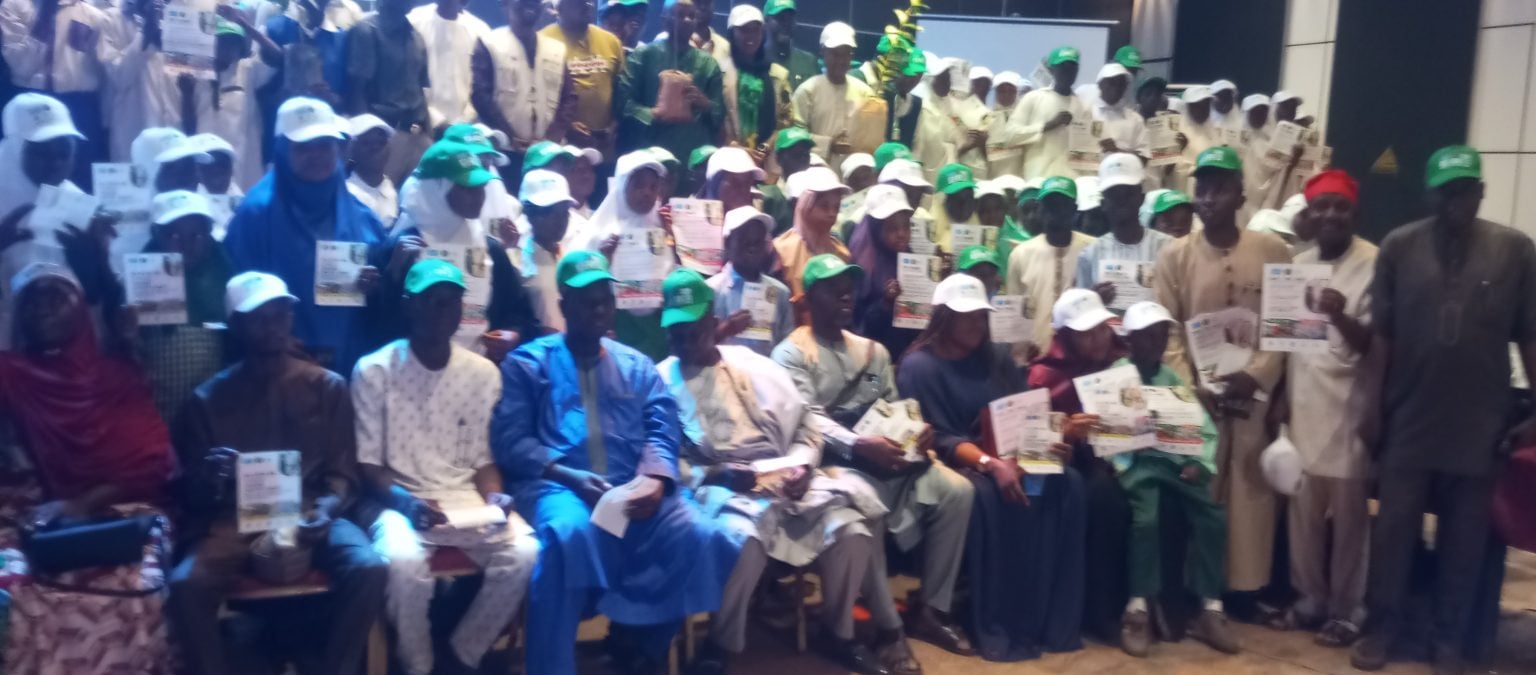
The programme brought together students, teachers, environmental experts, government officials and development partners to raise awareness on climate change and encourage young people to take active roles in environmental conservation.
Speaking at the event, UNICEF WASH Officer, Dr. Ebri Eteng, representing the Chief of Field Office, Dr. Michael Juma, said the project is designed to equip students with the knowledge and skills needed to address climate challenges while fostering a culture of environmental stewardship.
He said the first phase of the initiative would involve 75 schools, with plans to expand to 200 schools across Sokoto State.
“Our target is to have at least 10,000 trees planted by young people. Beyond that, we want to inspire a generation that understands climate change, embraces sustainable practices and becomes a driving force for environmental protection,” Eteng said.
According to him, UNICEF’s Green Rising Initiative places children and adolescents at the centre of climate action because they represent the leaders and decision-makers of tomorrow.
Founder and Executive Director of YOUNGI, Mr. Edayi Edison, said the programme builds on years of environmental advocacy by his organisation, adding that the partnership with UNICEF has broadened its impact across schools and communities.
He disclosed that nearly 400 participants attended the event and encouraged students to promote tree planting, proper waste management and environmental responsibility wherever they live.
Representing the Special Adviser overseeing RUWASA, the agency’s Executive Secretary, Muhammad Bala, said protecting the environment is essential for safeguarding water resources and strengthening resilience against climate change.
He noted that increased tree planting would help reduce rising temperatures in schools while absorbing carbon dioxide and improving the environment.
Also speaking, Professor Sanusi Shamaki of the Department of Forestry and Environment, Usmanu Danfodiyo University, Sokoto, urged stakeholders to move beyond discussions and take practical steps to combat environmental degradation.
She observed that Sokoto and other semi-arid areas are among the regions most vulnerable to climate change, stressing that collective action is crucial to protecting livelihoods and ensuring a sustainable future.