Alkalanci Trains Northern Islamic Clerics on Fact-Checking Ahead of 2027 Elections
Islamic clerics and scholars from Northern Nigeria and the Federal Capital Territory (FCT) have been urged to take a leading role in combating misinformation and promoting responsible information sharing as the country prepares for the 2027 general elections.
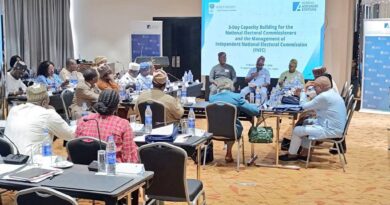
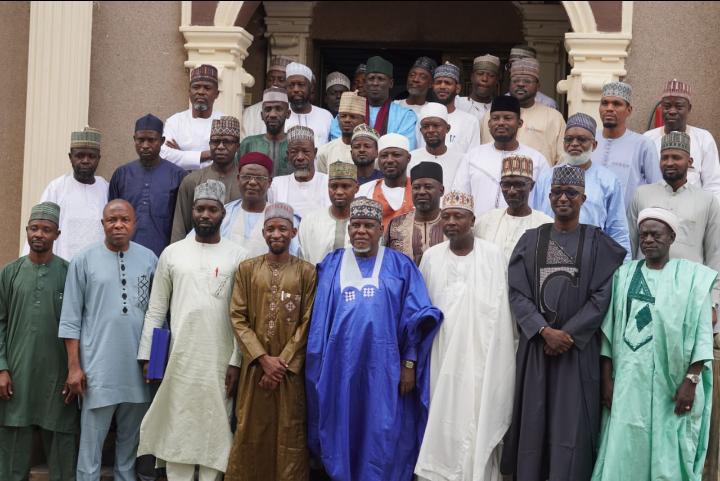
The call was made during a two-day capacity-building workshop on “Building Resilient Communities through Fact-Checking and Media and Information Literacy,” organised by Alkalanci in Abuja.
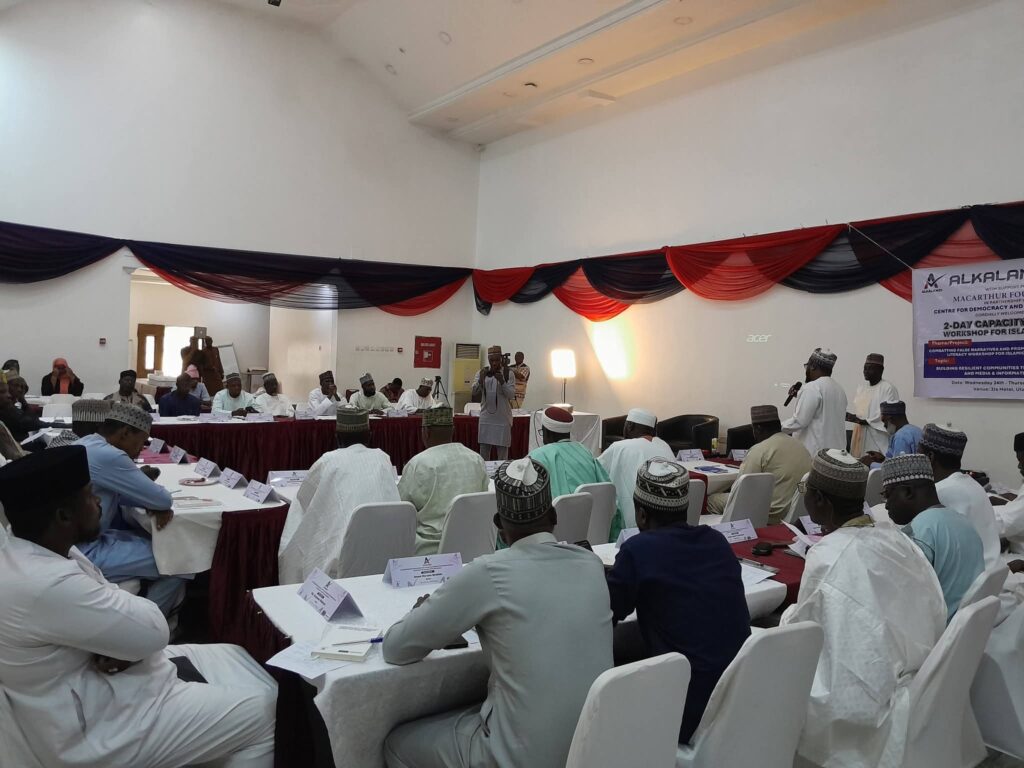
The workshop brought together 40 Islamic clerics and scholars from across Northern states to strengthen their ability to identify, verify and counter false information within their communities. The programme was supported by the MacArthur Foundation in partnership with the Centre for Democracy and Development (CDD).
Speaking at the event, Alkalanci Editor, Alhassan Bala, described the training as timely, citing the growing threat of misinformation, disinformation and artificial intelligence-generated deepfakes ahead of the 2027 elections.
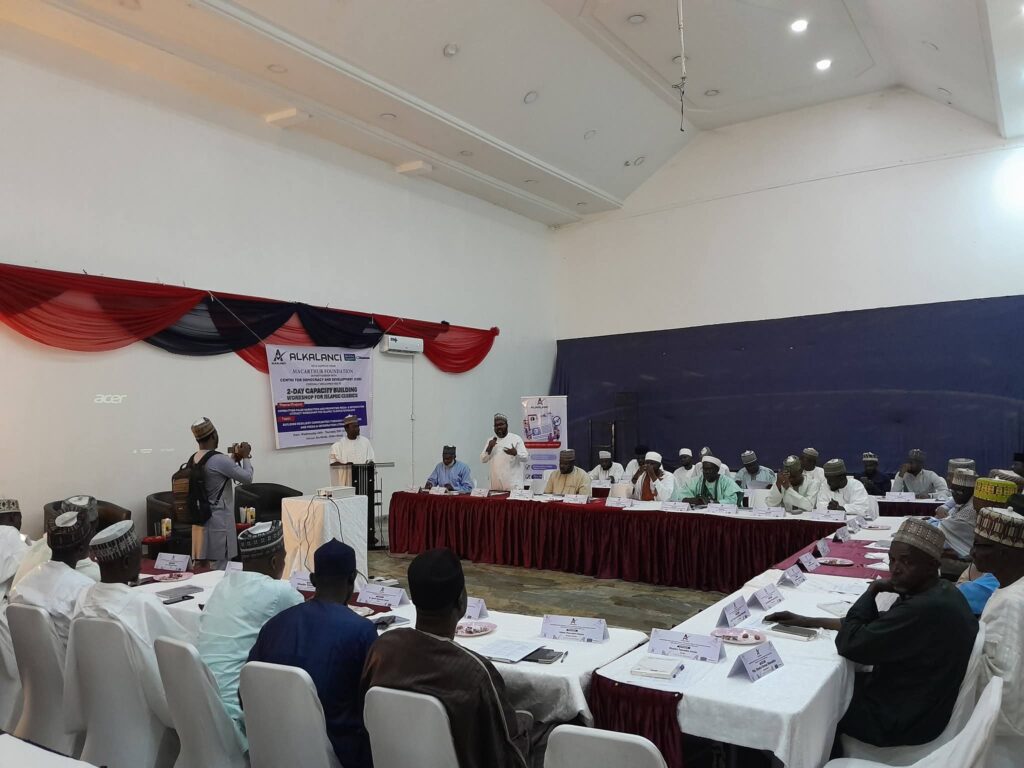
He noted that Islamic clerics remain among the most trusted voices in society and therefore have a critical responsibility to ensure that the information they share with their congregations is accurate, verified and beneficial.
“The sermons you deliver, the lessons you teach, and the words you speak carry enormous influence. With such trust comes a profound responsibility to ensure that the information shared with communities is true and verified,” Bala said.
He added that Alkalanci had previously organised similar workshops for religious leaders in Sokoto, Kano, Gombe and Maradi in the Republic of Niger, as well as a dedicated training for female Islamic scholars and teachers in Kaduna State.
Alkalanci Programme Manager, Victoria Bamas, said engaging religious leaders is essential because of their credibility and influence within communities.
“By equipping them with media and information literacy skills, we are strengthening their ability to guide their congregations towards accurate information and away from harmful misinformation,” she said.
Bamas also stressed that the rapid evolution of the information ecosystem requires citizens to develop critical thinking and verification skills before sharing information online.
Representing the Secretary-General of the Nigerian Supreme Council for Islamic Affairs (NSCIA), Professor Ishaq Olanrewaju Oloyede, the council’s Public Affairs Officer, Abbas Jimoh, warned that misinformation and disinformation have contributed to misunderstanding, heightened religious and ethnic tensions, weakened public trust and, in some cases, fuelled insecurity and violence.
He reminded participants that Islamic teachings emphasise the importance of verifying information before acting on it, urging religious leaders to become champions of truth, peace and informed citizenship.
Participants received practical training on identifying misinformation and fake news, recognising biased and manipulative content, using fact-checking and verification tools, understanding artificial intelligence and information integrity, and promoting responsible communication within their communities.
The workshop also explored how mosques and religious institutions can serve as trusted centres for accurate information, helping communities respond effectively to false narratives and harmful rumours.