FIDA, Co-Impact Hold DEI, Gender Audit Retreat to Strengthen Women’s Inclusion in Sokoto Judiciary
By Fahad Faruk Galadanchi
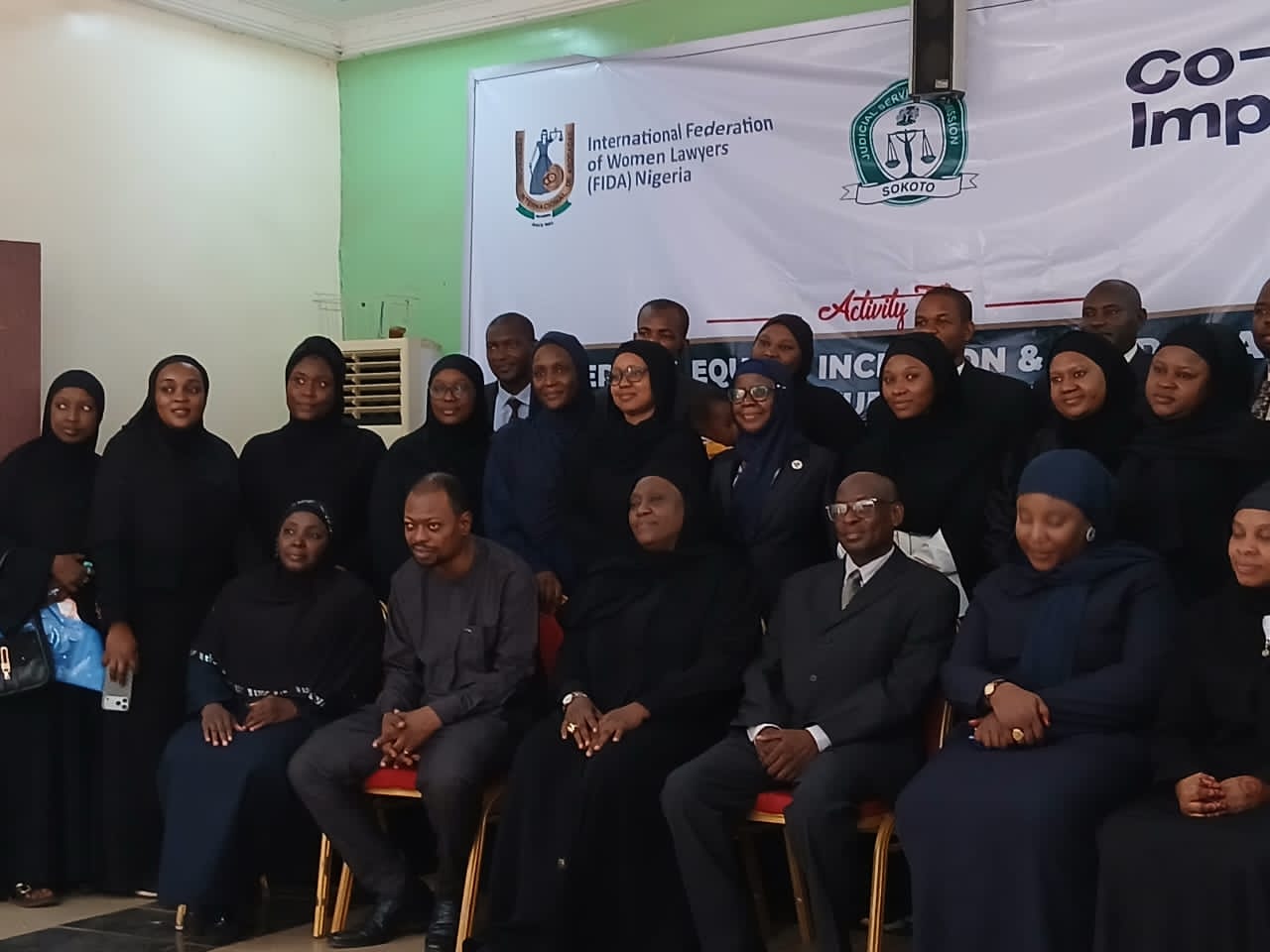
The International Federation of Women Lawyers of Nigeria (FIDA), in collaboration with Co-Impact, has organised a two day critical conversation on Diversity, Equity, Inclusion DEI and Gender Audit Inception and Study aimed at strengthening women’s inclusion and career advancement in the Sokoto State judiciary.
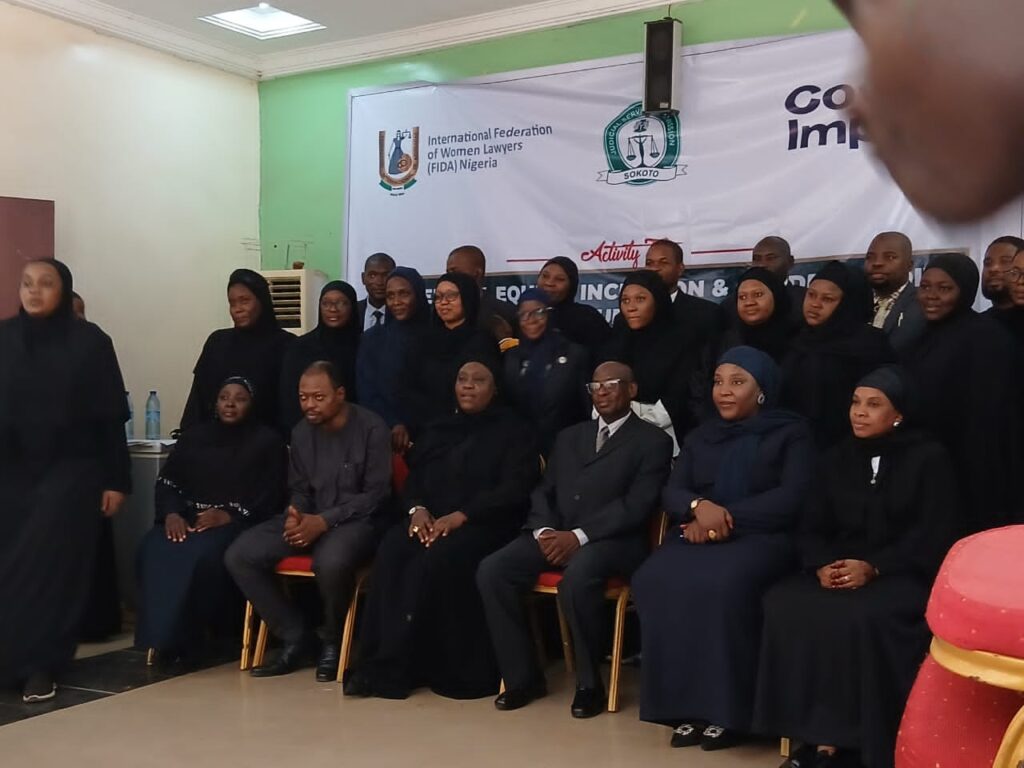
Speaking at the opening of the retreat, FIDA Sokoto State Chairperson, Zainab Bello Aliyu, urged participants to engage actively in the discussions to identify the institutional barriers limiting women’s progression within the judiciary and generate practical solutions.
The Project Coordinator, Mrs. Ezinwa Obiajunwa, while presenting findings from the Sokoto State gender audit, said the study revealed a sharp decline in the appointment of women to the Court of Appeal despite improvements in female representation at lower levels.
She also identified maternity related challenges affecting women’s career progression, explaining that promotional examinations are sometimes conducted during maternity leave, forcing affected officers to miss promotion opportunities.
Presenting the broader findings, the Project Team Lead, Mr. Fikih Obara, said consultations with judicial stakeholders uncovered several structural and institutional barriers hindering women’s participation and advancement.
According to him, political interference in judicial appointments remains a major concern, with appointments often influenced by political considerations rather than merit. He added that years of post Call to Bar experience are frequently overlooked during recruitment exercises.
Obara further noted that indigene ship plays a significant role in career progression within the Sokoto judiciary, with indigenes and those married to Sokoto indigenes often enjoying an advantage over non indigenes.
The study also documented cases of sexual harassment, transportation difficulties for women posted to rural areas, and the challenges nursing mothers face in balancing official duties with childcare responsibilities.
He said female judicial officers also expressed concern over limited access to conferences, professional training and other career development opportunities, which they said are more readily available to their male counterparts. Some participants noted that women are sometimes denied such opportunities based on assumptions that they would require accommodation alongside their spouses.
The report further revealed the absence of a formal mentorship structure for women within the judiciary, limiting opportunities for career guidance and professional support.
It also identified certain provisions within the Sharia Court system that participants said restrict women’s progression, including limitations on delivering judgments in specific circumstances due to religious injunctions.
Another major concern raised was the absence of a structured grievance reporting mechanism, with participants noting that fear of victimisation discourages women from reporting harassment or discrimination.
The findings also pointed to inadequate financial autonomy for gender related initiatives, noting that implementation often depends on state government approval because there are no dedicated budgetary allocations.
Participants recommended the adoption and implementation of gender responsive policies to promote equality, inclusion and fair career progression within the Sokoto State judiciary, although some attendees expressed reservations about certain aspects of the discussions.
Mr. Obara urged participants to openly identify the judiciary’s shortcomings to strengthen future advocacy and institutional reforms.
Some participants, however, argued that Sokoto State has recorded significant progress in the recruitment and promotion of women within the judiciary, stressing that the state has witnessed notable improvements in female representation in recent years.