UK Prime Minister Andy Burnham Unveils Tax Cut, Reshuffles Cabinet in First Major Policy Move
By Nafiu Muhammad Lema
Newly appointed United Kingdom Prime Minister Andy Burnham has announced a reduction in taxes on household electricity bills as part of his administration’s first measures to ease the cost-of-living crisis facing millions of Britons.
Burnham, who officially assumed office after replacing Keir Starmer, said his government would remove the five percent Value Added Tax (VAT) on consumer electricity bills from October. The move is expected to save households about £45 annually and will initially be financed by scrapping a proposed digital identity programme.
The announcement came ahead of Burnham’s first cabinet meeting, following a sweeping reshuffle that saw several senior ministers loyal to his predecessor removed from office while key allies were promoted.
Speaking outside 10 Downing Street after being appointed by King Charles III, Burnham pledged to restore public confidence in government by rebuilding the economy, decentralising power, tackling homelessness and investing in Britain’s industrial sector.
He also promised to unveil a comprehensive 10-year national development plan aimed at strengthening the country’s economy and improving public services.
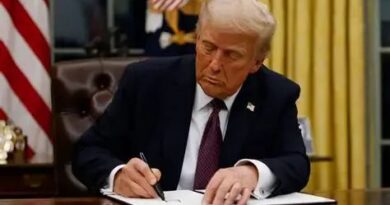
On the international stage, Burnham held his first telephone conversations with US President Donald Trump and Ukrainian President Volodymyr Zelensky, reaffirming Britain’s commitment to defence, security cooperation and continued support for Ukraine. French President Emmanuel Macron also congratulated the new British leader and called for closer cooperation between the UK and the European Union.
Among the key cabinet changes, former Defence Secretary John Healey was appointed Finance Minister, Ed Miliband became Foreign Secretary, Angela Rayner returned to government, while Wes Streeting was named Defence Secretary. Shabana Mahmood retained her position as Home Secretary.
Despite his ambitious agenda, Burnham inherits significant economic and political challenges, including sluggish economic growth, rising public debt, increasing welfare costs, irregular migration and volatile global energy prices.
Opposition parties have questioned the legitimacy of his appointment, arguing that his emergence without a leadership contest warrants a fresh general election.