Atiku Challenges Tinubu’s ‘Age of Prosperity’, Says Nigerians Can Barely Afford to Live
Former Vice President and African Democratic Congress (ADC) presidential candidate for the 2027 general elections, Atiku Abubakar, has challenged President Bola Ahmed Tinubu’s declaration that Nigeria has entered an “age of prosperity”, saying millions of Nigerians are still struggling to afford basic necessities.
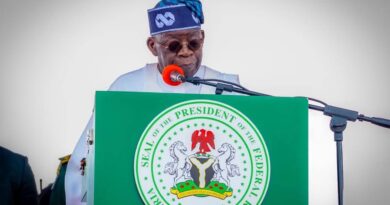
Atiku spoke on Thursday in Abuja in an Independence Day address marking Nigeria’s 66th anniversary, hours after President Tinubu told Nigerians that the country had moved beyond the emergency phase of his economic reforms and was entering an era of shared prosperity.
According to Atiku, the economic reforms implemented by the Tinubu administration have instead placed greater pressure on households through rising food, transport, fuel, healthcare and education costs.
He said Nigerians were “not merely tightening their belts” but were skipping meals, delaying medical treatment and borrowing money to survive until payday.
“Today, Bola Tinubu told us that the ‘emergency treatment is over’ and the ‘age of prosperity’ has begun. A President may announce a new chapter in a speech. He cannot announce food onto a family’s table or money into a worker’s pocket,” Atiku said.
“Bola, where is this prosperity?”
Atiku argued that lower inflation, economic growth and increased exports, which Tinubu cited in his Independence Day address, do not necessarily translate into improved living standards for ordinary Nigerians.
He said a slower increase in prices should not be presented as a restoration of the purchasing power families have already lost.
“Growth must improve lives. It cannot be a certificate of success that government awards itself while citizens struggle to survive,” he said.
The former Vice President also criticised the removal of fuel subsidy, arguing that it was implemented without adequate protection for households that would bear the immediate impact.
He said the policy contributed to higher petrol and transportation costs and challenged the Federal Government to explain what became of the savings it had promised Nigerians.
Atiku also questioned Tinubu’s description of Nigeria as a patient undergoing painful but necessary treatment.
“Bola, you call Nigeria a patient with cancer. After three years of your treatment, why is it harder for Nigerians to buy food, pay for medicine or even get to work?” he asked.
He said the economic debate should be measured against what Nigerians can actually afford, citing petrol, eggs and bread as examples.
According to Atiku, a ₦30,000 minimum wage in April 2023 could purchase about 118 litres of petrol, while the ₦70,000 minimum wage could purchase about 50 litres at the prices he cited.
He also claimed that the average price of an egg increased from about ₦88 in April 2023 to approximately ₦261 in May 2026, while a sliced loaf of bread rose from about ₦500 to around ₦2,000 over the same period.
“If 2023 was the illness, why does your ‘cure’ buy less fuel, fewer eggs and a smaller loaf of bread?” Atiku asked.
He further criticised the administration over insecurity, saying armed attacks had displaced communities, restricted farming activities and increased fears among parents and families.
“A government that cannot make life affordable and cannot protect life has failed the two tests that matter most to its people,” he said.
Atiku, however, said Nigerians should not surrender to despair, insisting that the country could recover through policies focused on affordability, security and economic opportunity.
His remarks followed Tinubu’s Independence Day address, in which the President said the government’s reforms had corrected the country’s economic direction and laid the foundation for shared prosperity.