Endangered Donkeys of Sokoto Face Sharp Decline Amid Illegal Trade, Poor Welfare
By Fahad Faruk Galadanchi
The population of donkeys in Sokoto State has dropped drastically over the past decade, raising concerns among livestock experts, rural communities and animal welfare advocates over the future of the species.
The Director of Livestock Services in the state, Abubakar Muhammad Maidawa, disclosed that the donkey population has fallen from over 250,000 to about 45,000, attributing the decline largely to illegal trade in donkey parts despite a federal ban on their export.
According to him, demand for donkey hides, meat and other body parts in international markets continues to fuel smuggling activities across the country.
Recent interceptions by the Nigeria Customs Service underscore the persistence of the illicit trade. In October 2025, customs operatives intercepted 64 donkey skins valued at N112.59 million allegedly being smuggled through Cameroon.
Earlier in the year, authorities seized a container carrying 10,603 male donkey genitals along the Kaduna-Abuja Expressway, while another operation in Imo State led to the interception of dry donkey skins worth N3.6 billion.
The Zonal Veterinary Officer for Sokoto Central District, Dr Bello Lawal Yahya, said the decline is also being driven by poor animal husbandry practices, inadequate nutrition and rapid urbanisation.
He explained that many donkey owners fail to provide adequate feeding and healthcare, resulting in delayed reproduction, poor growth and increased susceptibility to diseases.
“Many local donkey owners do not provide their donkeys with adequate care. This affects their reproductive cycles and overall health, leading to a gradual decline in population” Yahya said.
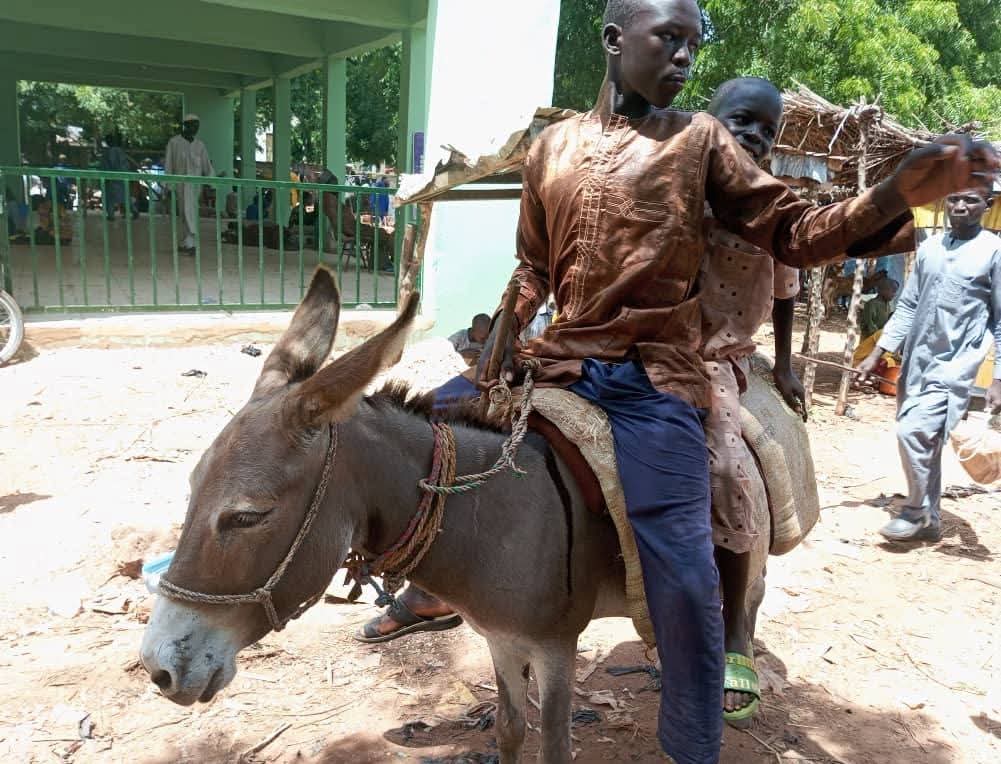
He added that donkeys are often subjected to stress due to long journeys in search of water and food, sometimes going days without proper nourishment.
According to him, urbanisation has further reduced traditional habitats for donkeys, while cultural practices that once celebrated the animals are gradually disappearing.
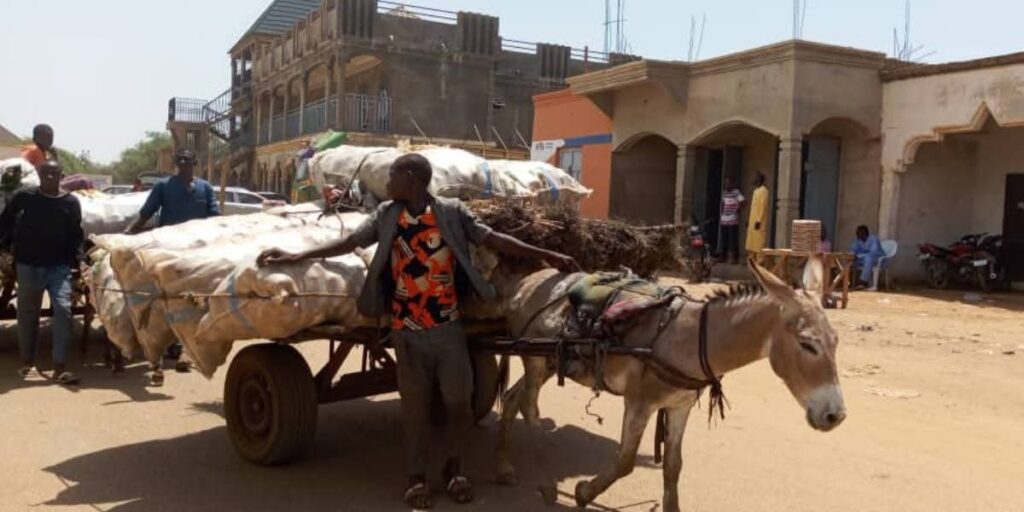
Residents of Wurno Local Government Area lamented the dwindling presence of donkeys in their communities.
Mallam Aliyu Hassan recalled how donkeys were once central to farming and transportation activities, describing them as an integral part of family life and rural livelihoods.”Now I hear stories of donkeys disappearing overnight. Every day there are fewer of them, and it is painful to watch” he said.
Similarly, 60-year old Aisha Usman said donkeys were once commonly seen during traditional festivals and ceremonies but have become increasingly rare.
Experts have called for stronger enforcement of existing regulations, improved animal welfare practices and conservation measures to protect the remaining donkey population and preserve their role in rural communities.