1,500 IDP Households Receive WASH Kits in Sokoto
At least 1,500 internally displaced households across four communities in Tangaza and Sokoto South Local Government Areas of Sokoto State have received Water, Sanitation and Hygiene (WASH) dignity kits to support hygiene and access to essential supplies.
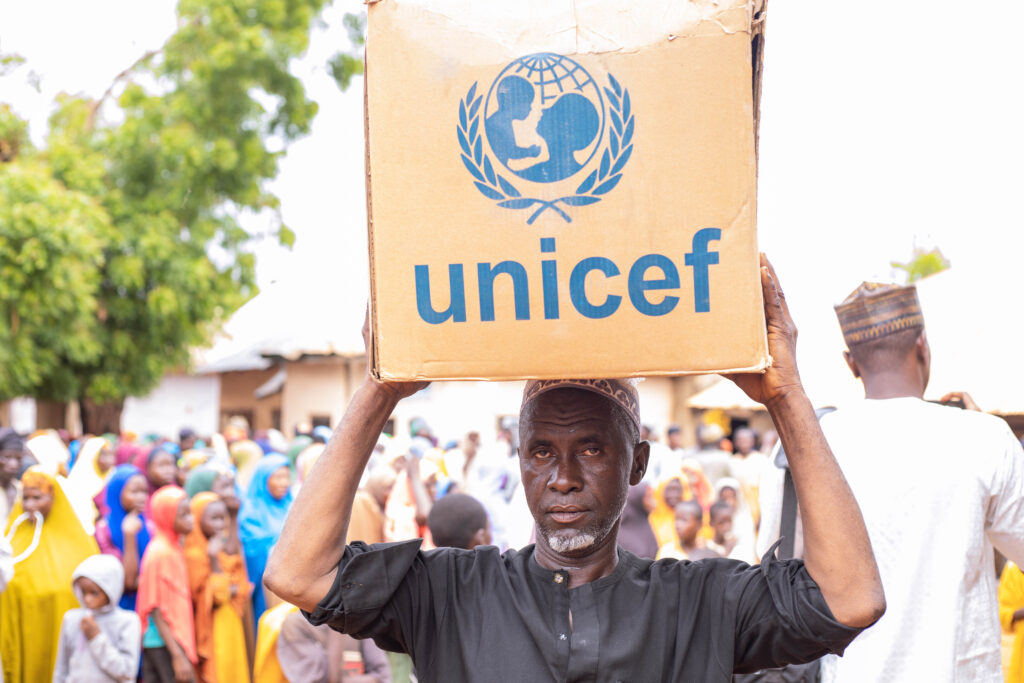
The intervention was implemented by the Rural Water Supply and Sanitation Agency (RUWASSA), with technical support from UNICEF and funding support from the Swedish International Development Cooperation Agency (Sida), as part of ongoing humanitarian WASH interventions for displaced and vulnerable communities.
The distribution covered Sabon Gari and Shiyar Hakimi communities in Tangaza LGA, as well as Gagi and Tudun Wada communities in Sokoto South LGA.
According to the organisers, 469 WASH dignity kits were distributed in Tangaza, while 1,031 kits were distributed in Sokoto South, bringing the total to 1,500 households.
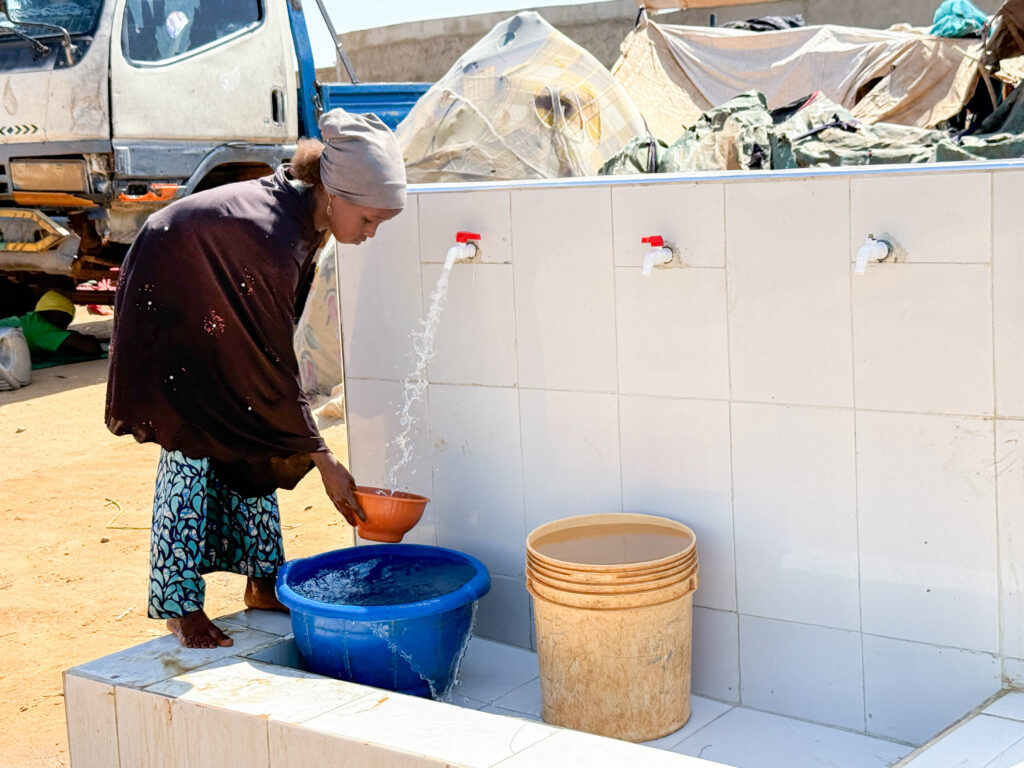
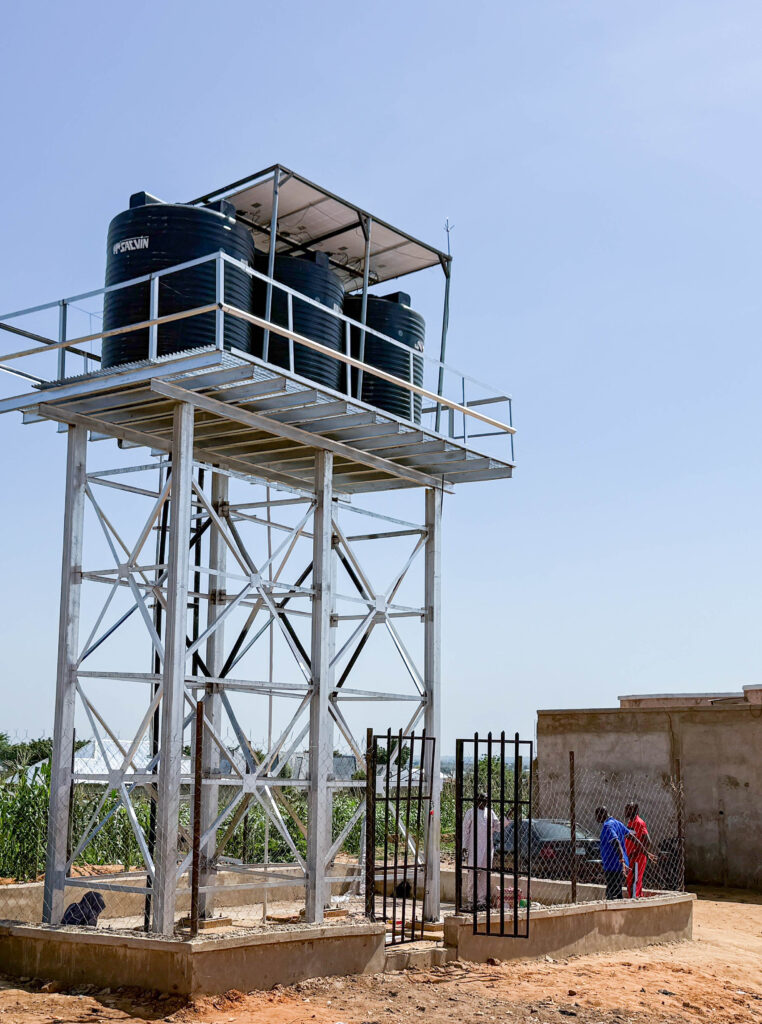
The intervention also included the construction of four new water schemes across four internally displaced persons’ locations, providing improved access to safe water for more than 12,000 people.
More than 12,000 people were also reached through hygiene promotion sessions designed to raise awareness about essential hygiene practices and the importance of maintaining clean and healthy surroundings.
The WASH dignity kits contained essential personal and household hygiene items, including sanitary pads, soap, detergent, panties, towels, buckets with covers, water containers, cups, toothbrushes and toothpaste.
Speaking on the intervention, UNICEF Sokoto Chief of Field Office, Dr. Michael Juma, said access to safe water, sanitation and hygiene was fundamental to health, dignity and resilience, particularly for children, women and families affected by displacement.
“Access to safe water, sanitation and hygiene is not a privilege—it is a fundamental right and a critical foundation for health, dignity and human resilience, particularly for children, women and families affected by displacement,” Juma said.
He said the partnership with RUWASSA was helping to strengthen life-saving WASH services while supporting communities to transition from emergency response to more sustainable and resilient solutions.
Juma added that UNICEF remained committed to supporting the Sokoto State Government in ensuring equitable access to safe water, sanitation and hygiene services for children and families, including those affected by displacement.
The intervention is part of broader efforts to strengthen WASH services, reduce exposure to hygiene-related risks and improve access to safe water among displaced persons and host communities in Sokoto State.