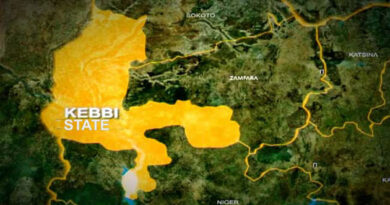
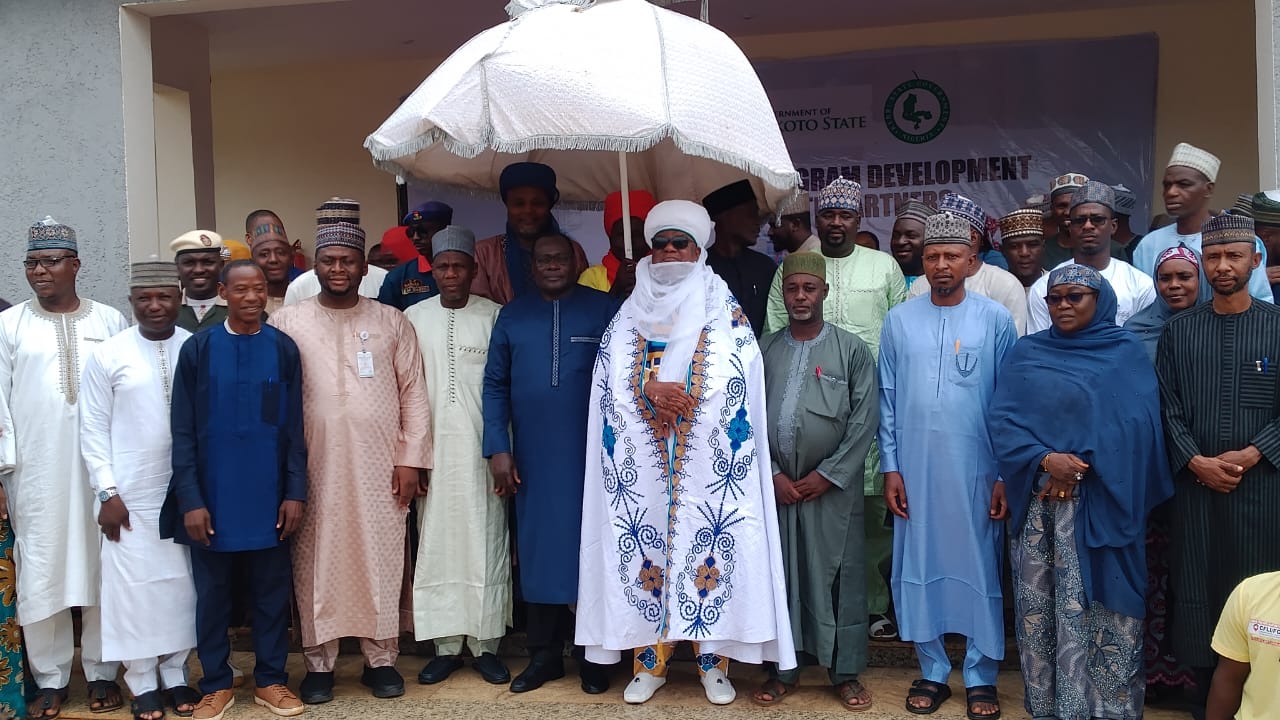
UNICEF, Stakeholders, Begin Drafting 2028–2032 Development Plan for Children in Sokoto, Kebbi, Zamfara
By Nafiu Muhammad Lema
The United Nations Children’s Fund (UNICEF), in collaboration with key stakeholders from Sokoto, Kebbi, and Zamfara states, has commenced the development of a new 2028–2032 Country Programme aimed at improving the lives of women and children across the three states.
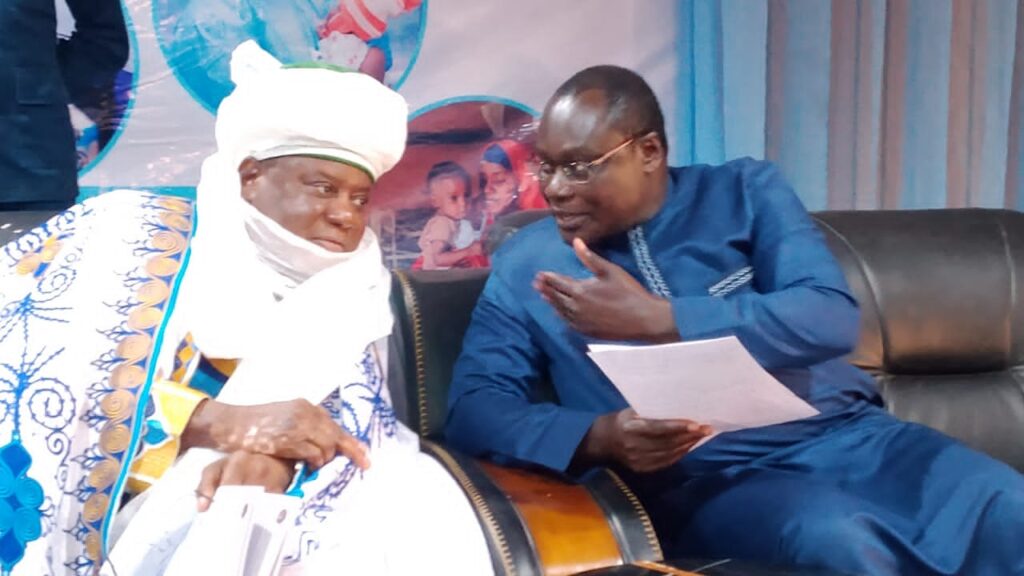
The initiative followed a two-day review meeting in Sokoto, where participants assessed the progress of programmes implemented in 2026 and identified priority areas for the next development cycle.
Speaking at the meeting, UNICEF Chief Field Officer, Michael Juma, said the review was designed to identify challenges encountered over the past three and a half years and develop practical, evidence-based solutions that place children at the centre of development efforts.
Juma urged government ministries to identify four to five priority areas in sectors such as health and education while ensuring that state development plans align with UNICEF’s upcoming Country Programme Document (CPD). He also emphasized the need for stronger coordination between humanitarian and development interventions to address emergencies affecting children and vulnerable communities.
He called on Permanent Secretaries to take the lead in defining evidence-based priorities that would strengthen resource mobilization and improve programme implementation. Juma also appreciated the governments of Sokoto, Kebbi, and Zamfara for supporting the consultative process.
Chairman of the occasion and Emir of Anka, Alhaji Attahiru Muhammad, praised UNICEF for its long-standing partnership with Zamfara State, describing the agency’s interventions over the past 32 years as impactful. He urged UNICEF to deepen collaboration with traditional rulers, particularly in addressing the challenges of internally displaced persons and the growing number of out-of-school children.
Representing the Sokoto State Government, Permanent Secretary Buhari Umar stressed the importance of using reliable data to design targeted interventions that respond to local realities. He reminded participants that they bear collective responsibility for improving the wellbeing of the state’s estimated 6.7 million residents, especially women and children, and encouraged them to focus on areas where partners can achieve the greatest impact together.
Similarly, Kebbi State Permanent Secretary, Barrister Kudirat Shuaibu, described the meeting as an opportunity to review existing programmes, address implementation challenges, and develop better strategies for achieving stronger development outcomes. She commended UNICEF for bringing stakeholders together and reaffirmed Kebbi State’s commitment to strengthening collaboration.
At the end of the meeting, participants agreed to prioritize evidence-based planning, stronger coordination among stakeholders, and better alignment with state development plans as they shape UNICEF’s 2028–2032 programme for Sokoto, Kebbi, and Zamfara.