NUJ Urges Media to Promote Zakat, Waqf for Poverty Alleviation in Sokoto
The Nigeria Union of Journalists (NUJ), Sokoto State Council, has called on media practitioners to intensify efforts in promoting public awareness and understanding of Zakat and Waqf as effective tools for poverty alleviation and humanitarian services.
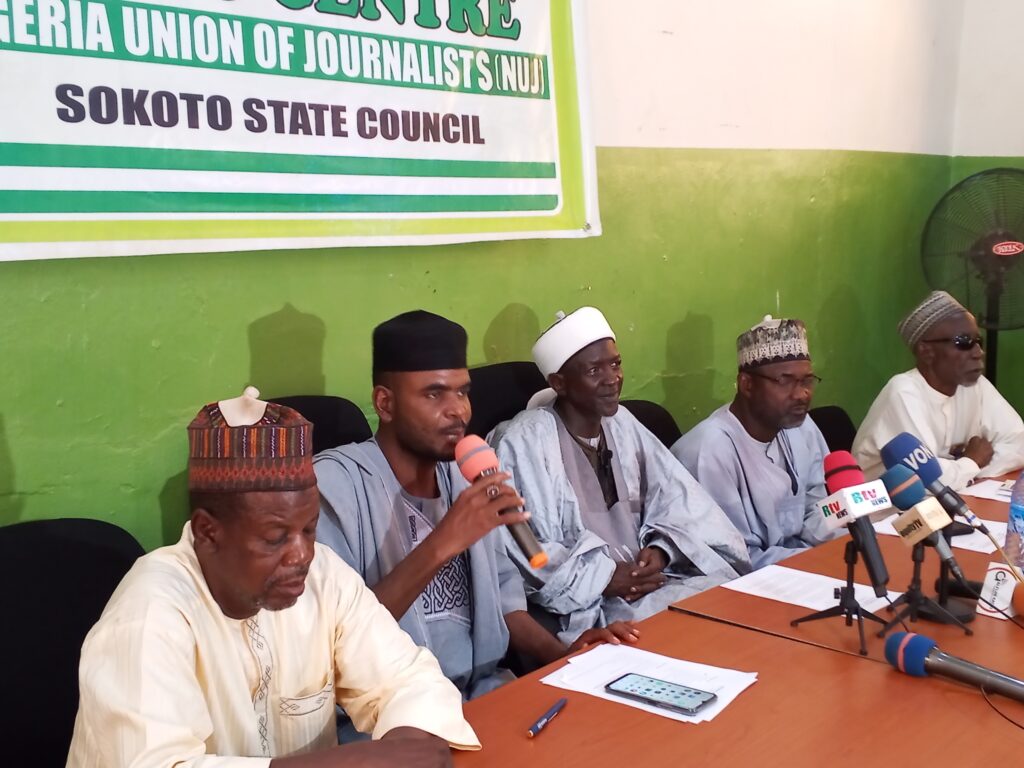
The call was made during the union’s congress held on Saturday in Sokoto, themed: “The Role of Zakat and Waqf in Poverty Alleviation and Humanitarian Service: The Responsibility of the Media.”
Declaring the Congress open, the Sokoto State Commissioner for Information and Orientation, Alhaji Sambo Bello Danchadi, said poverty reduction and economic empowerment remain key priorities of Governor Ahmad Aliyu’s administration under its Nine-Point Smart Agenda.
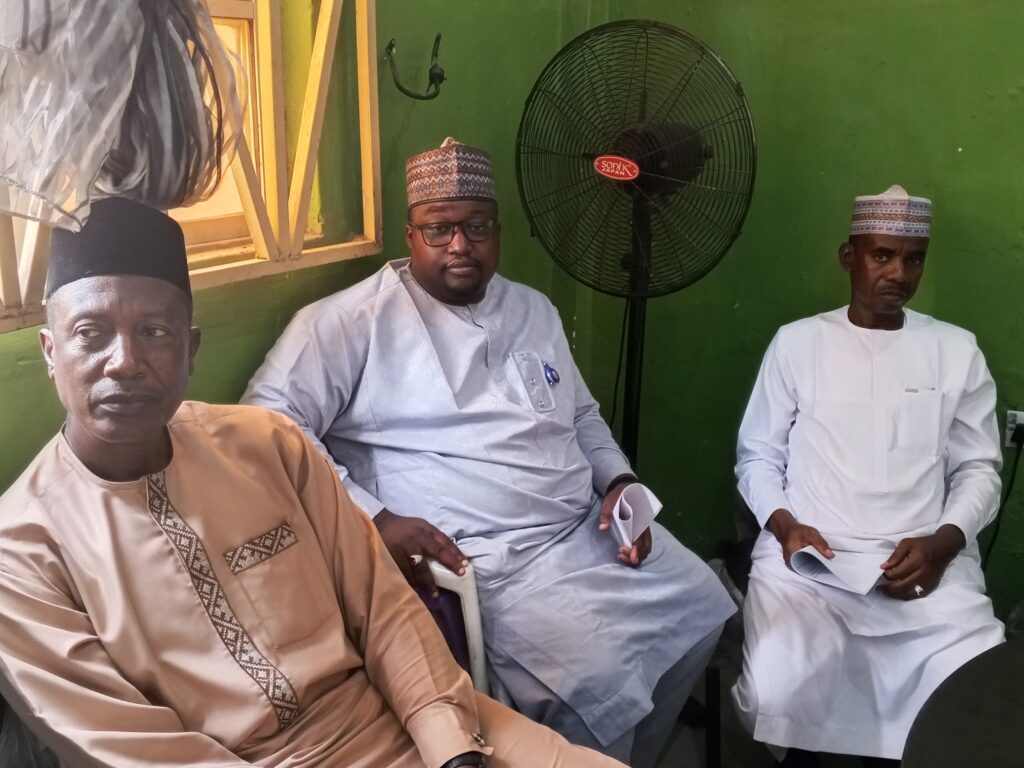
Danchadi represented by the Permanent Secretary of the Ministry, Bashir Muhammad Maigari highlighted government interventions aimed at improving residents’ living conditions, including agricultural support programmes, youth and women empowerment initiatives, expansion of education and healthcare services, infrastructure rehabilitation, improved water supply, and social welfare schemes for vulnerable groups.
According to him, the Sokoto State Zakat and Waqf Commission complements government efforts through humanitarian assistance and support for the less privileged.
“The media has a critical responsibility in promoting awareness of these initiatives, educating the public on the importance of Zakat and Waqf, highlighting success stories, and encouraging greater participation in programmes that contribute to social and economic development,” he said.
Earlier, the Chairman of the NUJ Sokoto State Council, Usman Binji, in his welcome address, said the congress was organised to provide a platform for professional reflection and engagement on societal issues.
He noted that Zakat and Waqf have historically played important roles in wealth redistribution, social welfare, and community development, stressing that journalists must go beyond routine reporting to deepen public understanding of programmes that promote human dignity and social progress.
Binji urged media practitioners to produce reports, features, radio and television programmes that encourage governments, businesses, and individuals to support humanitarian and social welfare initiatives.
He also commended Governor Ahmad Aliyu for his continued support to journalists in the state, particularly the approval of vehicles for the NUJ Sokoto State Council announced during a special Iftar programme at the Government House earlier this year.
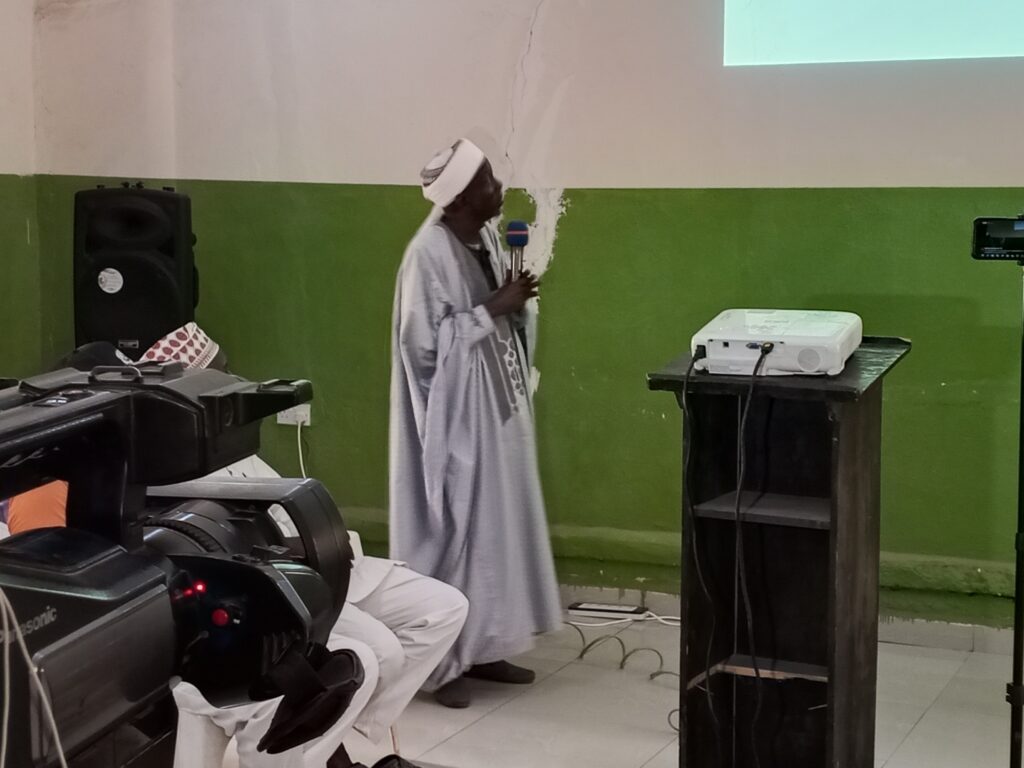
The congress featured a paper presentation by the Chairman of the Sokoto State Zakat and Endowment Commission, Malam Muhammad Lawal Maidoki, who explained that proper implementation of Zakat and Waqf could help address rising poverty, unemployment, and insecurity in society.
Maidoki stated that Zakat is compulsory for eligible wealthy Muslims, while Waqf (charity/endowment) is highly encouraged in Islam, noting that both Muslims and Christians can benefit from the support.
He added that Nigeria was ranked the world’s most generous country in the World Giving Report (WGR) 2025, with Nigerians donating an average of 2.83 percent of per capita income; the highest globally.
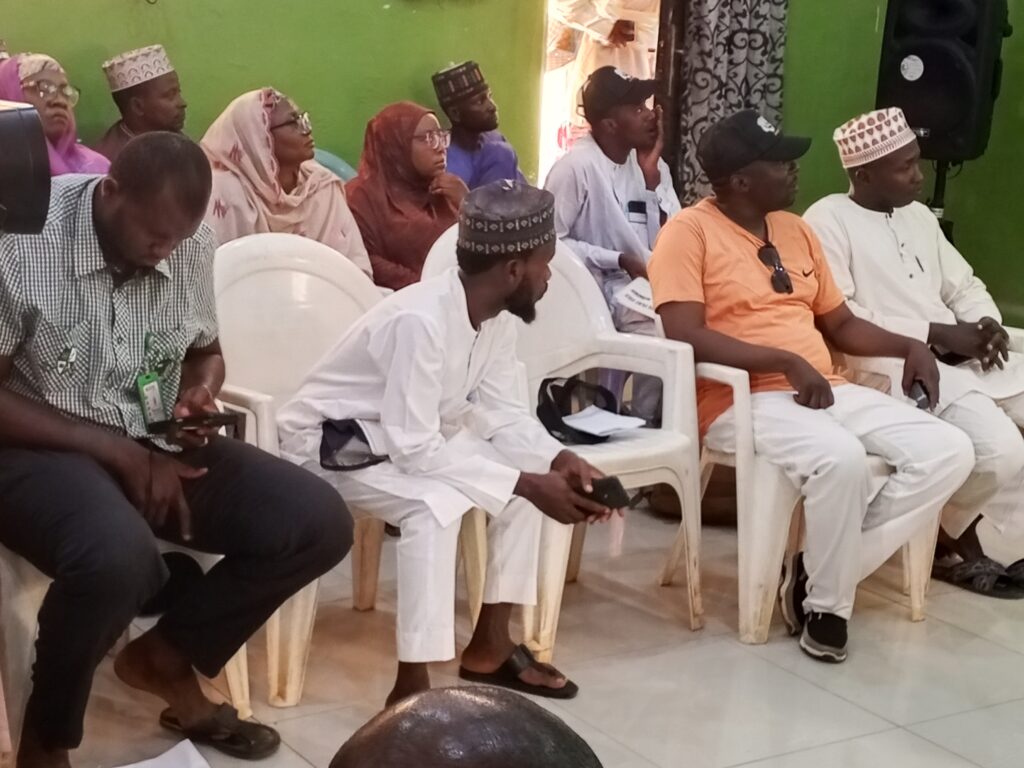
Participants at the congress emphasised the need for stronger collaboration between the media, government institutions, and charitable organisations to expand humanitarian services and promote sustainable socio-economic development.