
UNICEF Raises Alarm as 500,000 Children Face Severe Malnutrition in Sokoto, Kebbi, Zamfara
The United Nations Children’s Fund has raised serious concern over the growing malnutrition crisis affecting children in northwestern Nigeria, revealing that more than 500,000 children in Sokoto, Kebbi, and Zamfara are at risk of severe wasting if urgent action is not taken.
The warning was made during the presentation of the 2025 Nutrition SMART Survey findings at a stakeholders’ workshop in Sokoto.
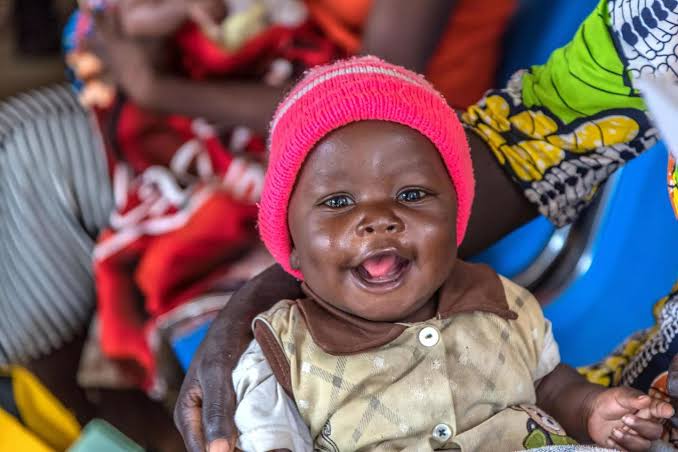
UNICEF Nutrition Specialist, Edward Kotundo, explained that the survey showed acute malnutrition remains alarmingly high among children under five years of age. According to the findings, wasting affects 11 percent of children in Sokoto and Kebbi, placing both states in the high prevalence category, while Zamfara recorded 8.5 percent, classified as medium but still worrying.
He added that stunting levels across the three states remain very high, showing long-term poor nutrition and deprivation among children.
Kotundo said the situation confirms earlier projections from the October 2025 Integrated Food Security Phase Classification analysis, which warned that over half a million children could suffer severe wasting without immediate intervention.
According to him, the crisis goes beyond health concerns and should be treated as a major development emergency requiring urgent and coordinated action across sectors.
Speaking on behalf of UNICEF’s Sokoto Field Office, Michael Juma commended government institutions and development partners for supporting the survey, noting that reliable data is essential for effective planning and response.
Also speaking, the Director of Medical Services at the Sokoto State Primary Healthcare Development Agency, Muhammad Abubakar Kaura, said Sokoto, Kebbi, and Zamfara share similar social and economic challenges, making a joint regional strategy necessary.
He praised UNICEF’s continued support in improving maternal and child healthcare services.
Participants at the workshop included nutrition officials, ministries, security agencies, statisticians, and humanitarian groups such as Médecins Sans Frontières and Action Against Hunger.
Stakeholders called for stronger partnerships, increased funding, and urgent programmes to tackle food insecurity, poverty, and poor healthcare access—the key drivers of malnutrition in the region.
The workshop ended with a renewed call to turn the survey findings into concrete action to save vulnerable children and strengthen community nutrition systems.