Sokoto Cracks Down on Diversion as UNICEF Delivers Lifesaving Nutrition Supplies
By Fahad Faruk Galadanchi
The Sokoto State Government has launched a sweeping crackdown on the diversion of nutrition commodities following the arrival of a major consignment of lifesaving supplies from UNICEF backed by a joint N200 million funding initiative.
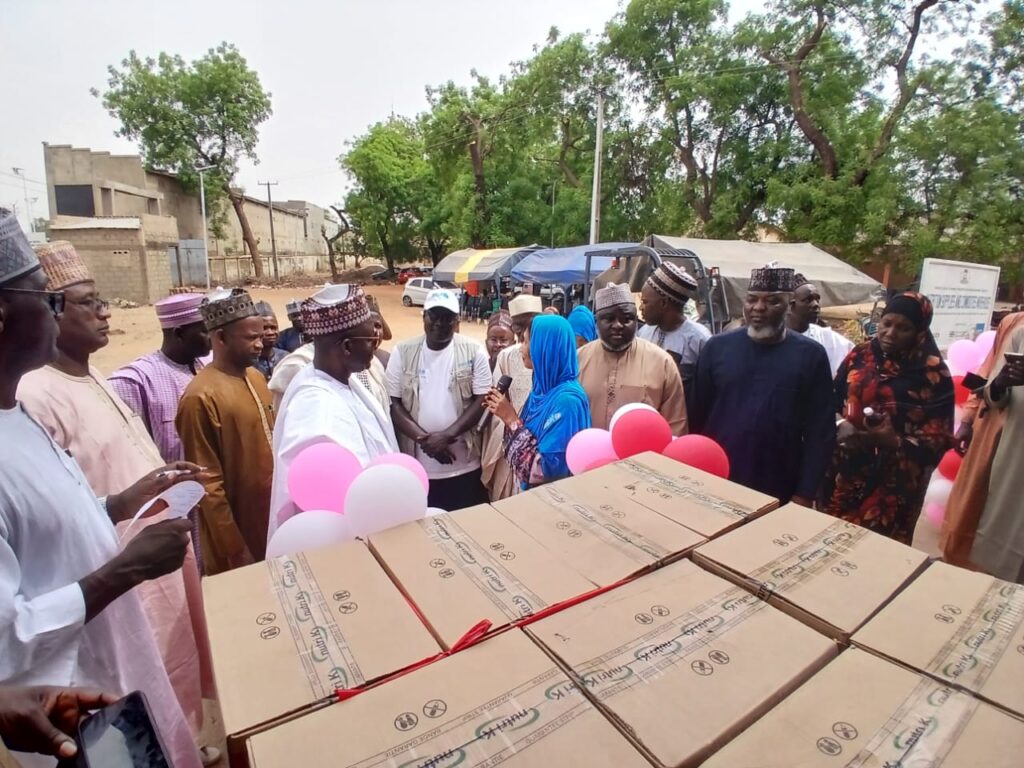
Health authorities describe the move as a turning point in the state’s nutrition response, with stricter tracking mechanisms and expanded community oversight introduced to ensure supplies reach only malnourished children and vulnerable women.
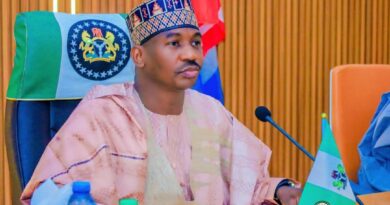
The Sokoto State Commissioner for Health, Dr. Abubakar Faruk said the government has dismantled what he called a “one man show distribution trend” that previously enabled leakages in the system.
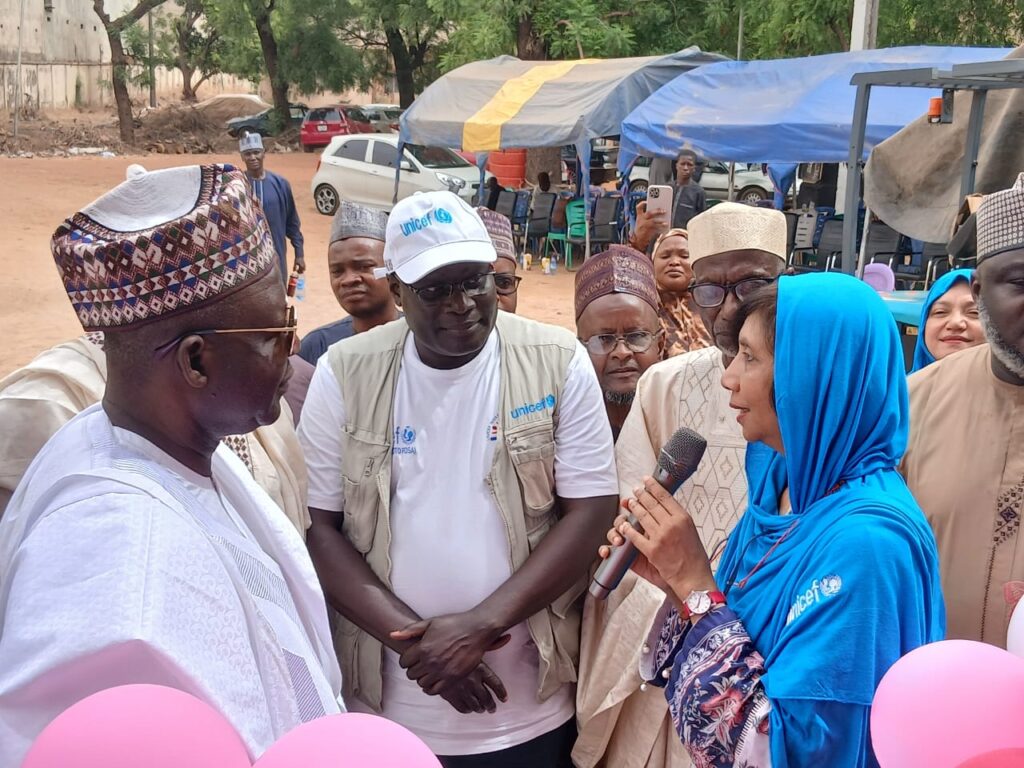
“This is no longer business as usual. Distribution will involve local government chairmen, health directors, as well as traditional and religious leaders. Every consignment will be accounted for”he said.
The intervention is financed through the Child Nutrition Fund, with the state contributing N100 million matched by UNICEF to procure Ready to Use Therapeutic Food RUTF and other essential supplies.
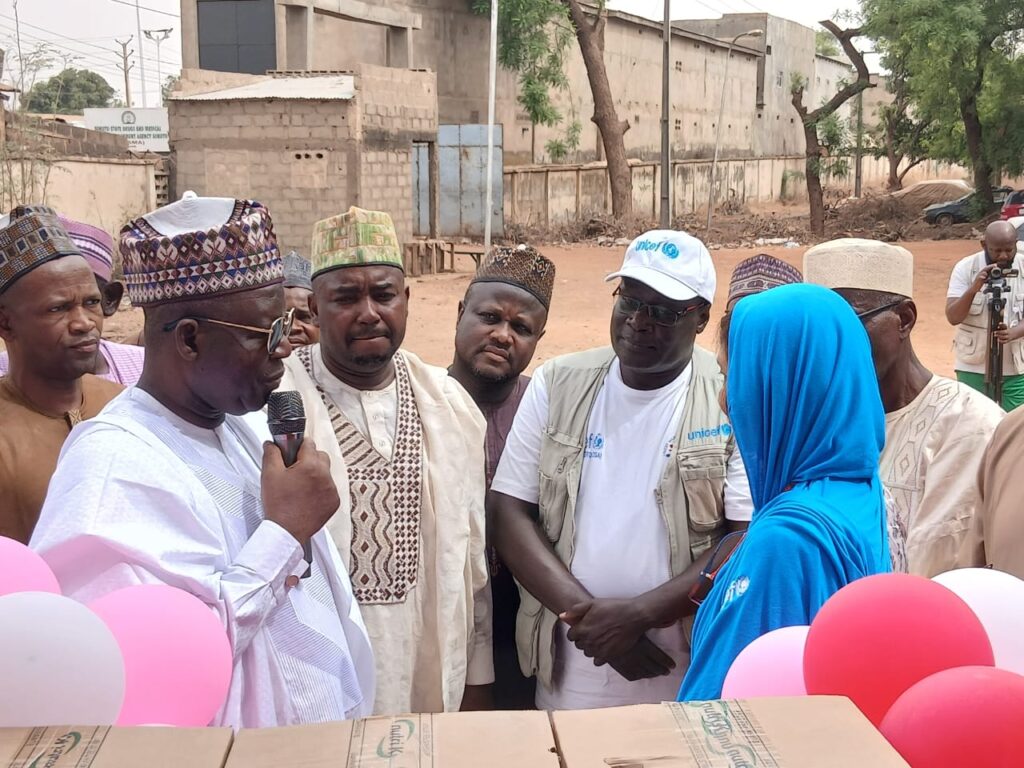
Speaking at the supplies handover in Sokoto, UNICEF Deputy Country Representative, Dr. Ronak Khan stressed the urgency of the situation, revealing that over 260,000 children in Sokoto are currently battling severe acute malnutrition.
“These supplies are critical, but accountability is just as important. Every carton must reach the children who need it” she said.
Dr. Khan also identified Sokoto as a standout performer in inventory management, noting that recent audits recorded a rare 100 percent reconciliation of nutrition commodities from central warehouses to local levels.
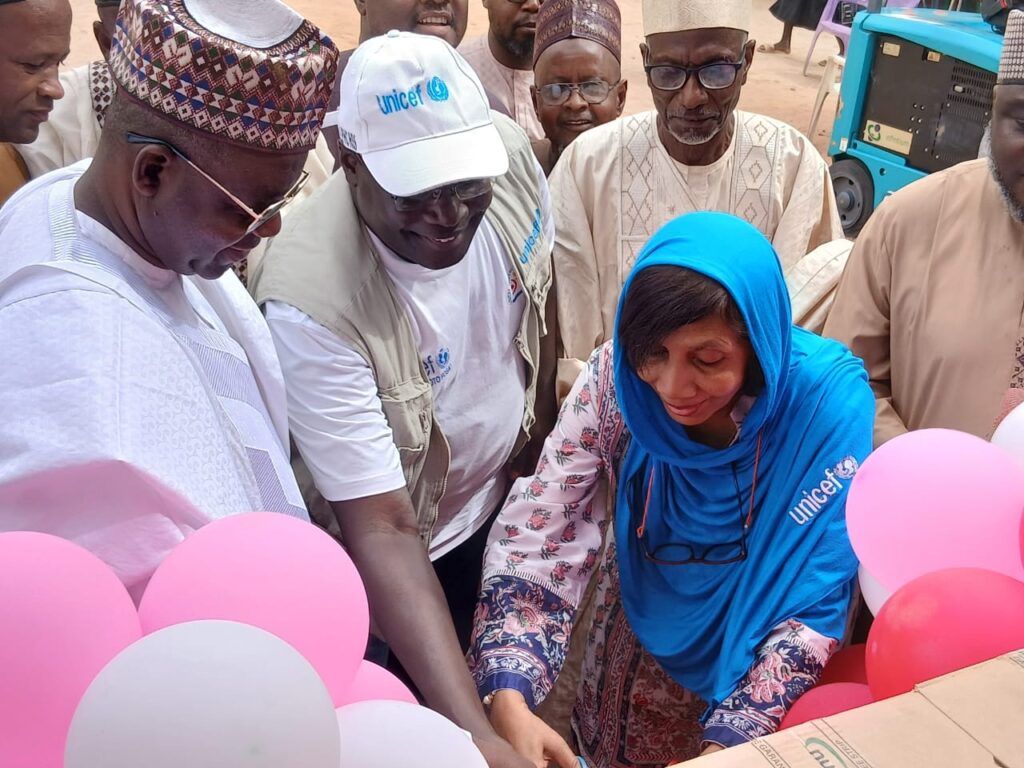
However, she cautioned that timely utilisation remains key, urging health officials to scale up service delivery to prevent expiry.
UNICEF’s Sokoto Field Office Head, Michael Juma, emphasized prevention, calling for sustained investment in maternal nutrition and child feeding practices.
“If we get the first 1,000 days right from pregnancy to a child’s second birthday we can significantly reduce malnutrition and its long term impact” he said.
He added that improved nutrition would enhance school attendance and learning outcomes among children.
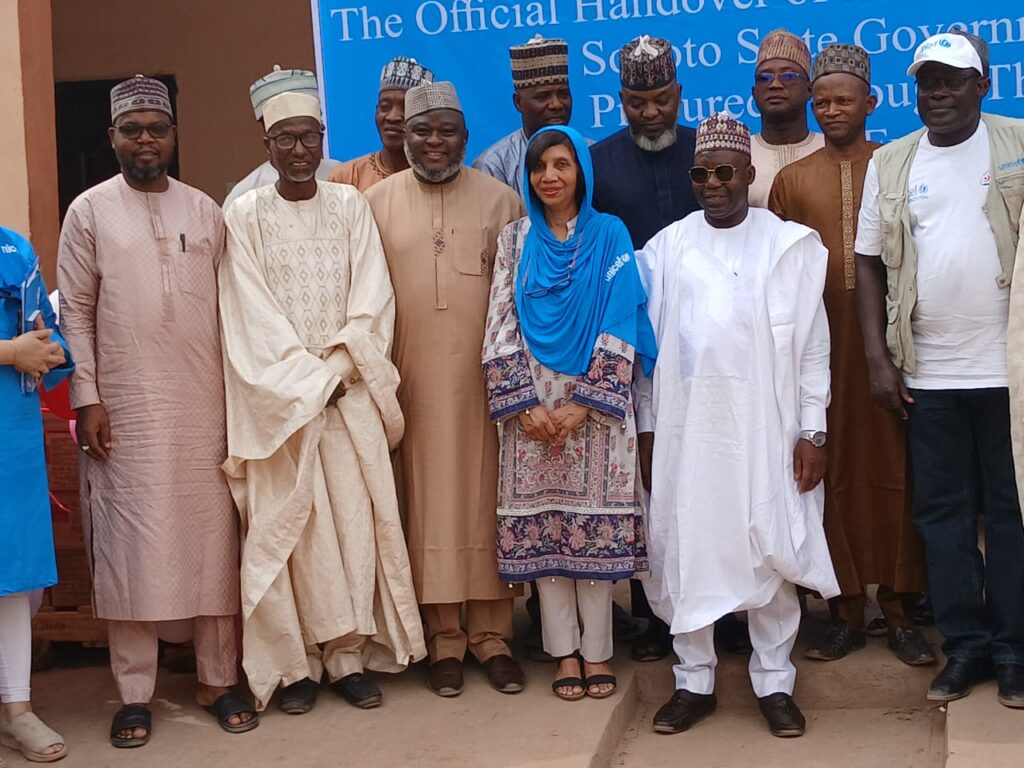
Meanwhile, new survey data being compiled in collaboration with the National Bureau of Statistics is expected mid year to provide a clearer baseline for measuring progress.
With malnutrition affecting an estimated 85 percent of children and 73 percent of households, stakeholders say the programme’s success will depend not only on funding, but also on enforcement, transparency, and strong community ownership.
For Sokoto, both government and development partners are sending a clear signal that the age of unchecked handling of nutrition aid is over.