Nigerians Becoming Desensitised to Killings — Jonathan
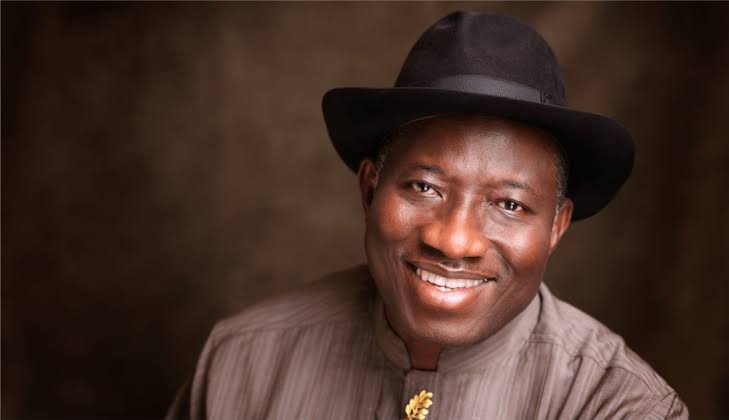
Former President Goodluck Jonathan has expressed concern over what he described as the growing acceptance of killings, insecurity and violence in Nigeria, warning that the country is gradually losing its moral values and sense of humanity.
Jonathan made the remarks on Saturday during the first session of the 13th Synod of the Anglican Diocese of Abuja, where he called for national reflection, spiritual revival and responsible leadership in the face of the country’s worsening security challenges.
According to the former president, Nigerians have become increasingly desensitised to tragic incidents that once provoked national outrage and collective mourning.
He noted that unlike in the past when violent attacks and destruction of communities shook the conscience of the nation, such incidents are now often treated as normal occurrences.
Jonathan stressed that the situation highlights the urgent need for moral direction, spiritual guidance and the restoration of societal values.
He also emphasised the critical role of the Church in shaping society, defending righteousness and speaking truth to power, urging religious leaders to continue providing moral leadership.
The former president further warned that despite the benefits of technology and modern information systems, they have also contributed to the spread and celebration of negative values in society.
Jonathan maintained that leadership remains vital in difficult times, adding that Nigeria needs leaders with integrity, courage and vision to promote peace, justice and national renewal.
Also speaking at the event, former Primate of the Church of Nigeria (Anglican Communion), Peter Akinola described the conference as symbolic and strategic, especially at a time the global Anglican Communion is facing what he termed a “revisionist agenda.”
Akinola expressed satisfaction that foreign delegates who attended the gathering left Nigeria with a more positive impression of the country despite negative narratives often portrayed by some international media organisations.