
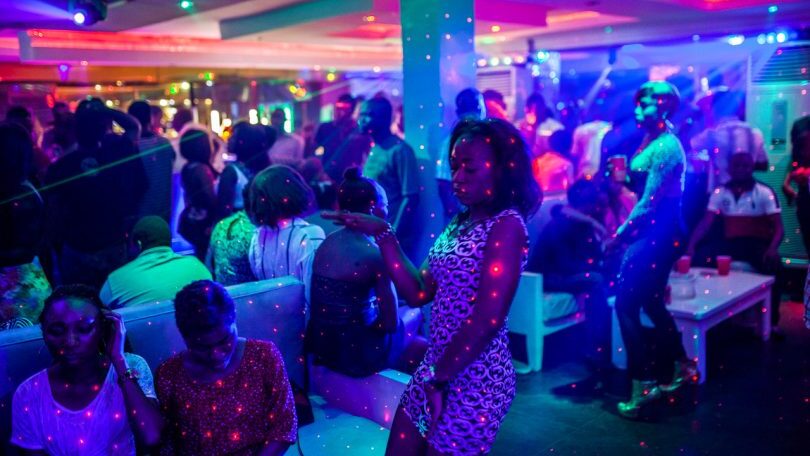
Nightlife as an Economic Engine: The “Lagos After Dark” Report
For a long time, the neon lights of Lagos and Abuja were seen merely as the backdrop for revelry. However, a groundbreaking new lifestyle report titled “Lagos After Dark” has revealed a different story: the nightlife sector is a massive economic powerhouse, contributing over ₦500 billion to the Nigerian economy in the last quarter alone.
The report challenges the old stereotype of nightlife as “unproductive” leisure. Instead, it frames the night economy as a critical ecosystem for networking, innovation, and foreign investment.
The “Clubhouse” of the Tech Era
In 2026, the hottest tech-startup pitches aren’t happening in boardrooms; they are happening in high-end lounges and curated “social clubs.” The report highlights that:
- Networking Hubs: Nightlife venues provide the informal setting where founders meet angel investors.
- Hospitality Investment: The surge in luxury nightlife has attracted significant foreign direct investment (FDI) into the hotel and catering sectors.
- Job Creation: From mixologists and DJs to security firms and logistics providers, the “After Dark” economy supports hundreds of thousands of livelihoods.
Cultural Diplomacy
Lagos has officially overtaken many European cities as a global “party capital,” attracting “lifestyle tourists” from across the African diaspora. This “soft power” is doing more for Nigeria’s image than traditional PR ever could. As the government looks for ways to diversify the economy, the message is clear: the party isn’t just a party—it’s a multi-billion naira industry that deserves strategic support and infrastructure