Sokoto Targets Over One Million Children in Renewed Polio Eradication Campaign
The Sokoto State Government, in partnership with the United Nations Children’s Fund (UNICEF) and other development partners, has intensified efforts to eliminate polio, targeting more than one million children across the state despite security challenges affecting immunisation activities in some areas.
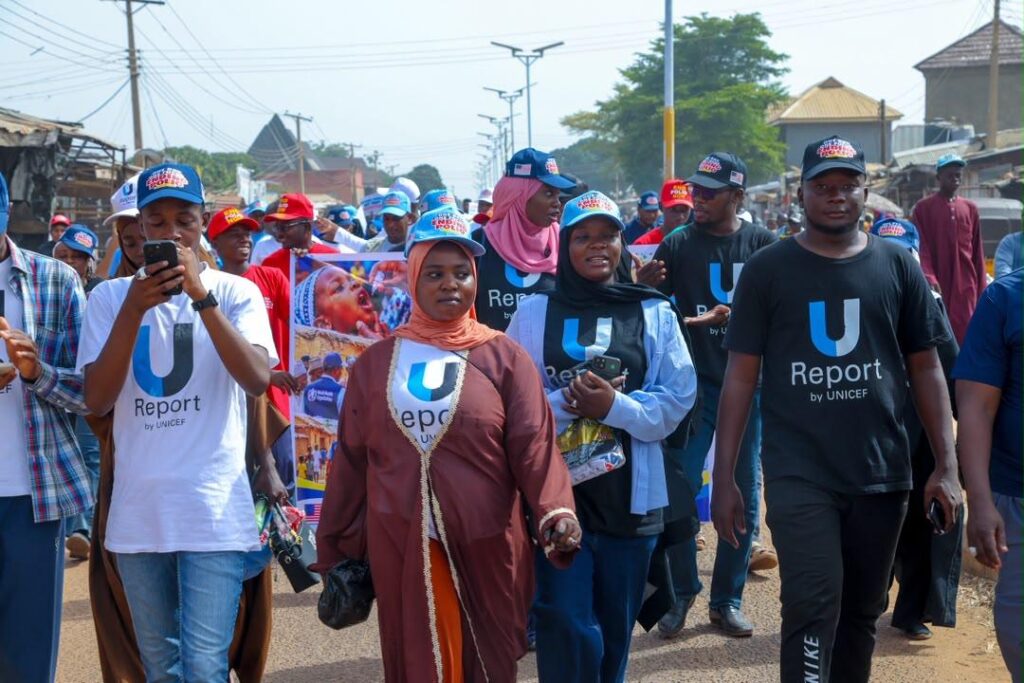
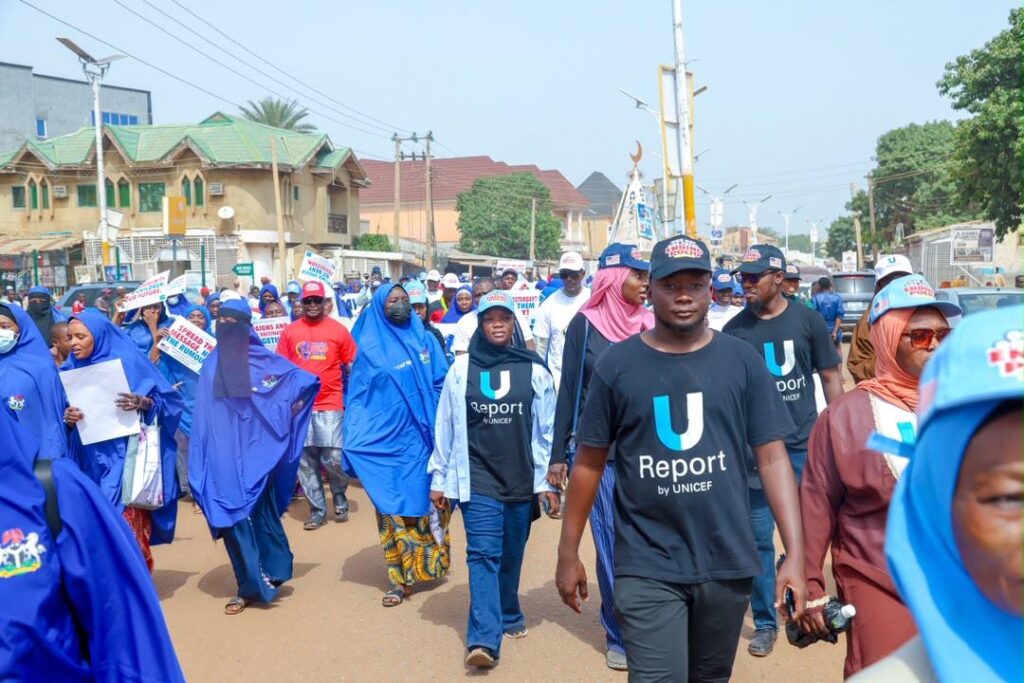
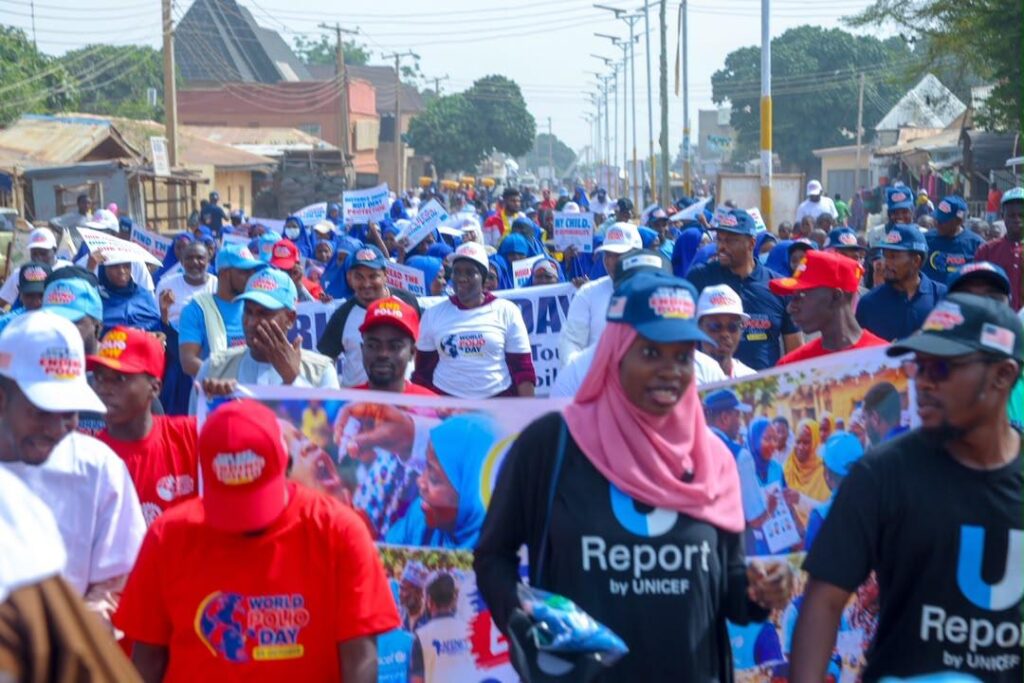
The renewed campaign featured prominently during the 2026 World Polio Day celebration, organised under the theme, “One Day, One Focus: Ending Polio,” which concluded on Saturday, October 24, with a public awareness rally involving youths, women and persons with disabilities.
Speaking after the rally, UNICEF Social Policy Specialist, Isah Ibrahim, said stakeholders had strengthened grassroots mobilisation and community engagement to ensure that all eligible children received polio vaccines, particularly those living in hard-to-reach communities.
Ibrahim said the campaign aimed to reach more than one million children in Sokoto State, emphasising that collaboration among government officials, traditional rulers, community leaders and development partners remained crucial to achieving comprehensive immunisation coverage.
He, however, expressed concern over the effect of insecurity on vaccination efforts, revealing that only five local government areas remained accessible for immunisation operations under the prevailing security conditions.
The UNICEF official called for sustained interventions to address access challenges and protect children from the potentially devastating effects of polio.
He further disclosed that the state government had mobilised local government chairmen, councillors, their wives, traditional rulers and community leaders to conduct house-to-house sensitisation, promote vaccine acceptance and address misinformation surrounding immunisation.
Also speaking, the Director of Advocacy at the Sokoto State Primary Healthcare Development Agency, Dahiru Kamaru Gada, described the four-day World Polio Day programme as a successful awareness and mobilisation exercise coordinated through the state’s Emergency Operations Centre (EOC).
Gada explained that activities began on October 21 with a youth football match aimed at encouraging young people to participate actively in the fight against polio.
According to him, government officials and development partners engaged in a friendly football match on October 22 to underscore the importance of government commitment, leadership and adequate funding in sustaining public health programmes.
The activities continued on October 23 with a para-soccer match between Team Virus and Team Vaccine, featuring polio survivors. Team Vaccine won the symbolic contest, reinforcing the message that immunisation is essential to preventing polio and its associated disabilities.
“Virus brings disability, while vaccine brings life. Vaccine must always win,” Gada said, highlighting the experiences of polio survivors as a reminder of the disease’s consequences and the need to protect children through timely vaccination.
The programme culminated on October 24 with a sensitisation rally that commenced at the EOC and proceeded through Marina, Yar Goriba, Gobirawa and Rijiyar Dorowa before returning to the centre.
Gada commended UNICEF, the World Health Organisation (WHO), the African Field Epidemiology Network (AFENET) and Rotary International for supporting the initiative. He also praised polio survivors and other participants for helping to spread awareness about the importance of vaccination.
He urged parents and caregivers to ensure that eligible children received their polio vaccines, stressing that the vaccines were free, safe and available daily at primary healthcare centres across Sokoto State.
Speaking on behalf of the Acting Executive Secretary of the Sokoto State Primary Healthcare Development Agency, Dr. Bilyaminu Yari Sifawa, Gada formally declared the 2026 World Polio Day activities closed, reaffirming stakeholders’ commitment to eradicating polio in Sokoto State and Nigeria.
The campaign highlights the continued importance of community participation, public awareness and collaboration among government institutions and development partners in protecting children against vaccine-preventable diseases, particularly in communities affected by insecurity.