Fashola Faults Atiku’s Fuel Subsidy Restoration Plan, Says Proposal Unrealistic
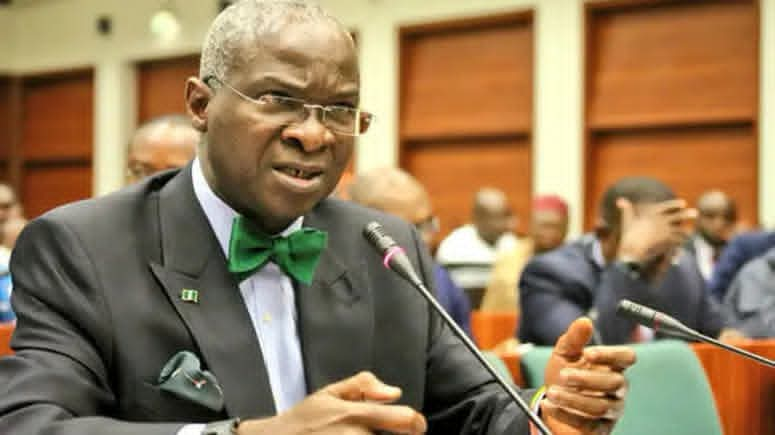
Former Lagos State Governor and ex-Minister of Works and Housing, Babatunde Fashola, has criticised former Vice-President Atiku Abubakar’s plan to restore fuel subsidy if elected president in 2027, describing the proposal as unrealistic and raising concerns about its financial and practical feasibility.
Fashola said Atiku had yet to explain how his proposed subsidy arrangement would be funded, particularly amid Nigeria’s persistent crude oil production challenges, insecurity in oil-producing communities and difficulties in meeting the country’s production targets.
He made the remarks on Tuesday during an interview on Channels Television’s Politics Today.
The former governor questioned the availability of sufficient crude oil to supply local refineries and sustain the proposed subsidy arrangement, noting that Nigeria had yet to maximise its oil production capacity.
“If we have refineries working, what is our current oil quota? Are we optimising it yet? No, because they are legacy issues, challenges with security people, vandalism. So where is this magic crude oil going to come from? People are entitled to ask,” Fashola said.
He challenged the former vice-president to provide convincing evidence that the proposal was workable, insisting that Nigerians deserved more than political assurances.
“If he can explain, good, let the people choose. But without proof, it is like abracadabra,” he added.
Fashola clarified that his opposition was based on the substance of the proposal rather than any personal disagreement with Atiku.
“The proposal is not realistic. I am looking at the proposal, not the personality,” he said.
He also questioned Atiku’s change of position on fuel subsidy, recalling that the former vice-president had supported its removal during the 2023 presidential election campaign.
According to Fashola, the shift in position raises questions about the rationale behind the proposed restoration and the measures that would ensure its long-term sustainability.
The former minister further noted that restoring subsidy would require legislative intervention, as the National Assembly would need to amend the existing legal framework to accommodate the policy.
He also expressed doubts about whether lawmakers would support the move, considering its potential consequences for government revenue and public spending.
Drawing from his experience in the administration of former President Muhammadu Buhari, Fashola warned that subsidy payments could significantly reduce the revenue available to state governments.
“I was in a government that was paying subsidy, and the states were not getting money. So are we going to go back to partial, near-zero returns, states borrowing money to pay salaries? Is that where you want us to go?” he asked.
Atiku had announced in August 2026 that he would restore fuel subsidy if elected president in 2027. He proposed a temporary and independently audited arrangement targeting petroleum products refined locally, arguing that the measure would reduce fuel and transportation costs and ease the financial burden on Nigerians.
President Bola Tinubu announced the removal of fuel subsidy during his inauguration on May 29, 2023, making the decision a central component of his administration’s economic reform programme.