Dangote in Talks with SEC to Sell Personal Refinery Shares Amid $4.3bn IPO Demand
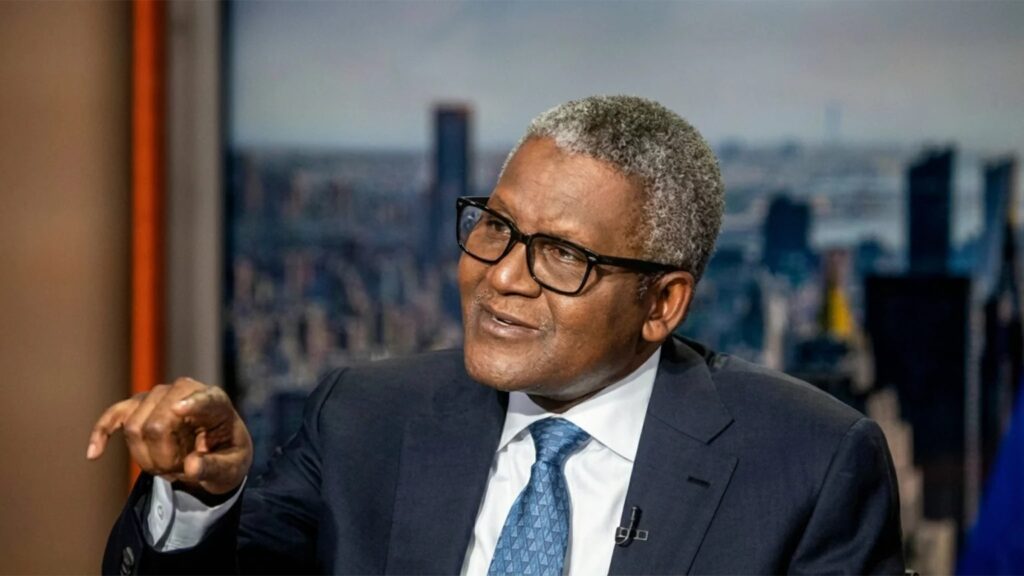
Africa’s richest man, Aliko Dangote, is reportedly negotiating with the Securities and Exchange Commission (SEC) to sell part of his personal stake in the Dangote Petroleum Refinery to accommodate overwhelming investor demand following its initial public offering (IPO).
The proposed secondary share sale is expected to provide additional stocks for institutional investors and other subscribers whose requests could not be fully satisfied under the initial offer, which attracted applications valued at approximately N5.85 trillion ($4.3 billion).
Bloomberg reported that Dangote was discussing the arrangement with the SEC, citing sources familiar with the confidential negotiations. The proposed sale would allow the billionaire to release some of his existing shares rather than requiring the refinery to issue additional equity.
The report added that the SEC had postponed publication of the IPO allotment results, initially expected on Tuesday, until later in the week to consider and approve the proposed arrangement.
The refinery is seeking to raise between $1.6 billion and $2.1 billion through the offering, which is projected to become Africa’s largest-ever IPO.
The initial offer represents approximately 3.3 per cent of the company, potentially increasing to 4.25 per cent if the 30 per cent over-allotment option is fully exercised.
Dangote currently holds about 87.3 per cent of the refinery. Figures contained in the company’s prospectus indicate that his ownership could decline to approximately 84.4 per cent after the initial offer and 83.6 per cent if the over-allotment option is exercised.
The six-week subscription period, which ended on October 27, attracted nearly four million unique applications from investors across 120 countries, including all African countries.
Among the major institutional investors seeking substantial allocations is South Africa’s Public Investment Corporation (PIC), the continent’s largest asset manager, which oversees nearly $220 billion in assets, including pension funds for public-sector employees.
Bloomberg previously reported that the institution had requested approximately $500 million worth of shares in the refinery.
A senior SEC official reportedly said the commission was processing the allotments and would grant approval once all regulatory requirements had been satisfied. A spokesperson for Dangote declined to comment on the proposed secondary sale.
Kenya Plans Tax Incentives for Dangote’s $16bn Refinery Project
Meanwhile, Kenya is preparing to grant tax exemptions to Dangote’s proposed $16 billion refinery investment in Lamu as part of efforts to attract major investments and reduce the region’s dependence on imported petroleum products.
Kenya’s Treasury Secretary, John Mbadi, disclosed that the proposed facility, which is designed to process 700,000 barrels of crude oil daily, qualifies for investment-related tax incentives under the country’s existing laws.
Speaking during an interview with Nairobi-based Citizen TV, Mbadi explained that capital equipment imported for the project would be eligible for exemptions from value-added tax, excise duty and railway development levies.
He said Dangote had already paid taxes on some equipment imported for the initial phase of the project but would be entitled to refunds after submitting the necessary applications.
According to the Treasury Secretary, the exemptions are available to qualifying investments exceeding five billion Kenyan shillings, equivalent to approximately $38 million.
The proposed refinery is expected to strengthen Kenya’s domestic petroleum supply capacity, reduce its reliance on imported fuel and help protect East African countries against disruptions in international energy supply chains.
However, the planned tax concessions come amid mounting fiscal pressure on the Kenyan government, which is contending with revenue shortfalls, increasing public expenditure and rising debt.
Official figures indicate that Kenya forfeited approximately 262.6 billion shillings ($2.02 billion) in tax revenue last year through exemptions, deductions, reduced rates and other preferential tax arrangements. The amount represented about 1.5 per cent of the country’s Gross Domestic Product (GDP).