No Return to Fuel Subsidy as Tinubu, Oyedele Defend Reforms Amid Rising Hardship
Nigeria’s Presidency has ruled out any return to fuel subsidy, as top government officials defend ongoing economic reforms despite mounting public pressure over rising living costs.
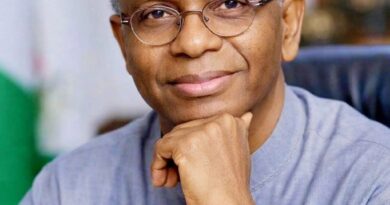
Speaking during a meeting with global investors in Paris, the Minister of Finance and Coordinating Minister of the Economy, Taiwo Oyedele, stated firmly that the government would not reintroduce subsidy payments on petrol.
According to him, subsidies previously created economic distortions and strained public finances, adding that fuel pricing will remain market-driven rather than regulated.
This position comes amid continued hardship following the subsidy removal in May 2023, which triggered sharp increases in fuel prices, transportation costs, and food inflation. Nigeria’s headline inflation climbed significantly, worsening the cost-of-living crisis for millions of citizens.
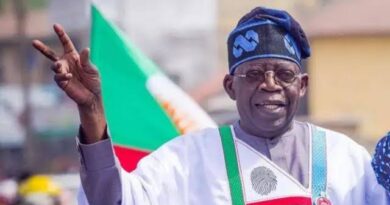
President Bola Ahmed Tinubu, who also addressed investors at the meeting, defended the decision, describing the subsidy as a “burden” that had long hindered economic stability. He noted that its removal has contributed to improved foreign exchange stability and strengthened investor confidence.
The administration maintains that its broader reform agenda, including subsidy removal, exchange rate adjustments, and fiscal discipline, is aimed at stabilising the economy and laying the foundation for long-term growth. Officials say these policies are already yielding results, pointing to reported GDP growth in dollar terms and renewed investor interest.
However, the reforms have come at a steep cost for ordinary Nigerians. Inflation has surged, food prices remain high, and transport fares have reportedly increased by nearly 300 percent since the policy shift.Despite these challenges, the government insists it will stay the course.
Oyedele assured that efforts are underway to translate macroeconomic gains into tangible benefits for citizens, including commitments to improved transparency and regular financial reporting.
Investors at the meeting expressed cautious optimism about Nigeria’s economic direction, with some commending the government’s bold reforms while seeking assurances on policy consistency beyond the 2027 political cycle.
President Tinubu reaffirmed his administration’s commitment to sustaining reforms, enhancing transparency in the oil sector, and strengthening fiscal discipline, stating that the ultimate goal remains delivering measurable improvements in the lives of Nigerians.