
UNICEF Urges Stronger Leadership, Community Action to Protect Child Health in Sokoto
The Executive Director of the United Nations Children’s Fund (UNICEF), Catherine Russell, has called for sustained political leadership, stronger community engagement, and strategic partnerships to address child health challenges and safeguard Nigeria’s public health gains.
Russell made the call on Friday during a courtesy visit to Sokoto State Governor Ahmed Aliyu, represented by his deputy, Engr. Idris Muhammad Gobir, as part of her official mission to Nigeria.
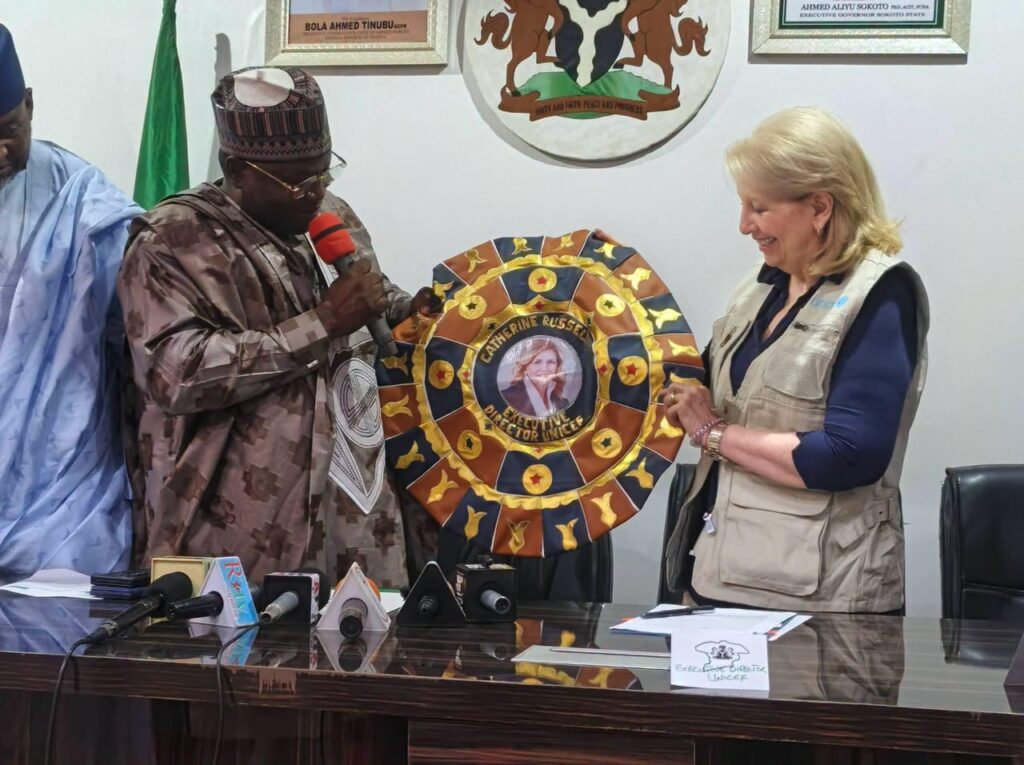
She noted that Nigeria’s certification as free of wild poliovirus in 2020 proved that major public health challenges could be overcome through collective action.
“Nigeria’s certification as free of wild poliovirus in 2020 demonstrated that even difficult public health challenges can be overcome through leadership, community engagement, and partnership.”
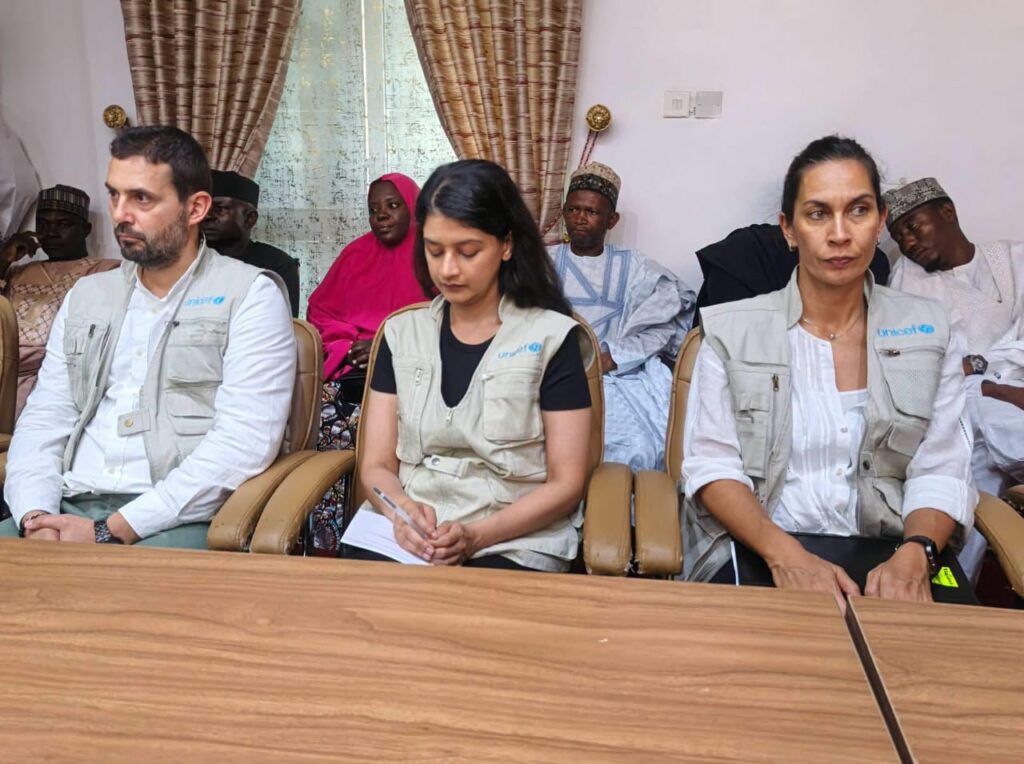
The UNICEF chief stressed the need to sustain the achievement by ensuring routine immunization reaches every child and strengthening disease surveillance across the country.
“Today, our task is to protect these gains by ensuring that every child receives routine immunization, every missed child is reached, and surveillance remains strong.”
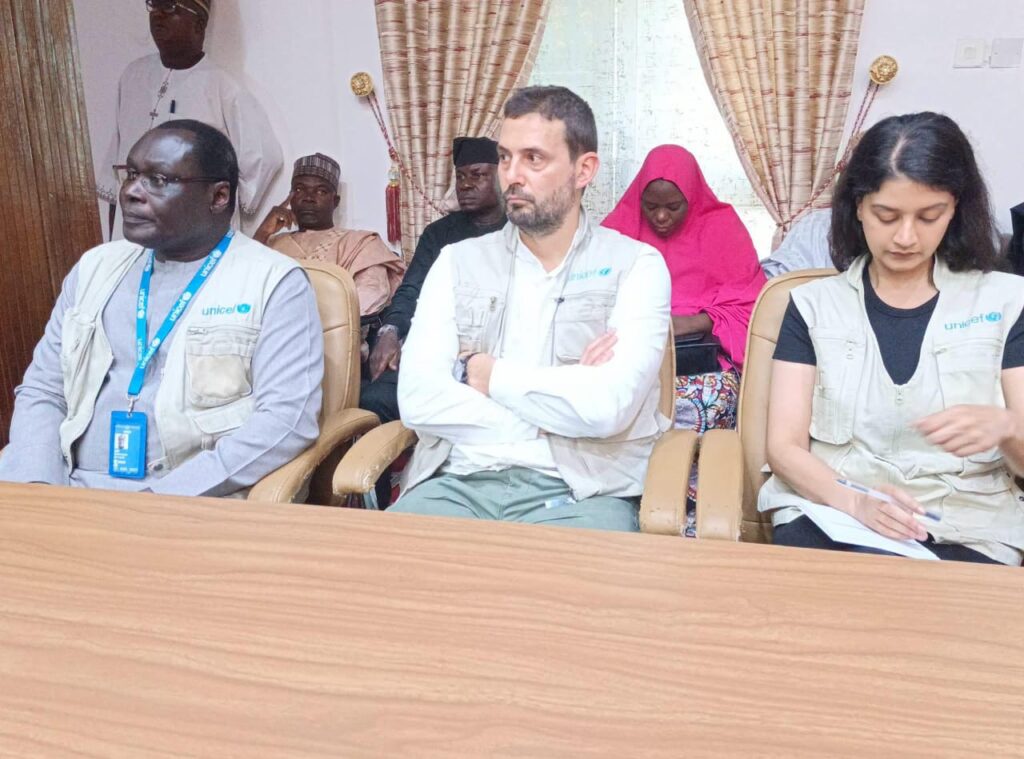
Russell, who visited a digital learning village and a primary healthcare centre in Sokoto, praised the state’s investments in education, health, nutrition, and skills development, describing them as examples of what can be achieved through effective collaboration.
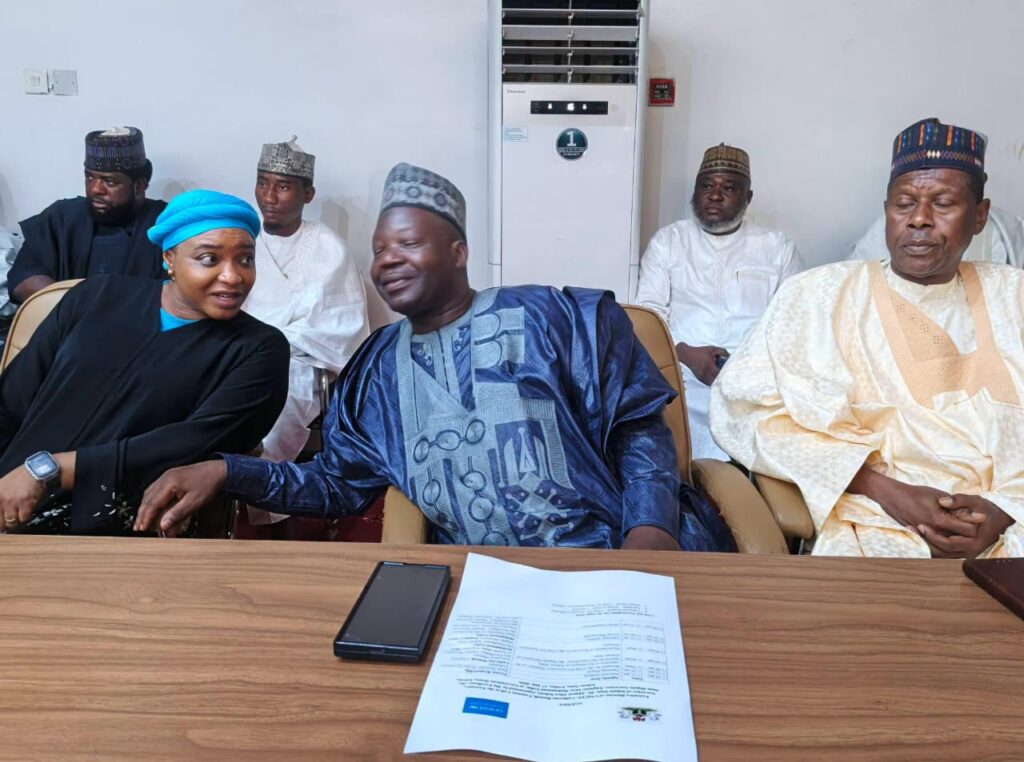
She expressed confidence that Sokoto could become a national model for improving child welfare through political commitment.
“UNICEF believes Sokoto has the potential to become a national example of how political leadership can translate into measurable improvements for children.”
She reaffirmed UNICEF’s commitment to strengthening its partnership with the state government to improve service delivery and accelerate better outcomes for children.
Responding, Governor Ahmed Aliyu, represented by Deputy Governor Idris Muhammad Gobir, thanked UNICEF for its continued support and highlighted his administration’s efforts to improve healthcare and education.
According to the governor, the state has recruited more than 1,500 nurses and midwives for rural health facilities and employed 2,440 Community Health Extension Workers to strengthen primary healthcare services across the state.
“Since our assumption of office, we have paid greater attention to improving the health condition of our pregnant mothers and their children through free medical care programmes, renovation of health facilities, and improved learning environments in our schools.”
Aliyu also said the state had expanded access to clean water, established integrated Qur’anic schools and child-friendly centres in partnership with UNICEF, and supported thousands of Almajiri and out-of-school children through skills acquisition programmes.
He acknowledged UNICEF’s technical and financial support, particularly through the European Union-funded SARA programme, which he said had strengthened efforts to reduce maternal, newborn, and child mortality.
The governor, however, raised concerns over insecurity, saying attacks on communities had damaged schools and healthcare facilities, threatening access to essential services.
“This troubling situation would severely undermine our commitment to ensuring that every child and mother has access to a safe environment.”
He appealed to UNICEF and other development partners to provide additional support for the reconstruction and development of health and educational infrastructure in affected communities.