Sokoto Journalists, Influencers Trained to Report Conflict Without Fueling Tensions
By Fahad Faruk Galadanchi
Media practitioners and social media influencers in Sokoto State have been trained on conflict-sensitive reporting, with a call to avoid narratives and reporting practices capable of escalating tensions in conflict-affected communities.
The two-day training, held from August 18 to 19, 2026, at Command Guest Inn, Sokoto, was organised by International Alert in collaboration with the RECAP Consortium and the Centre for Journalism Innovation and Development (CJID), with funding support from the European Union (EU).
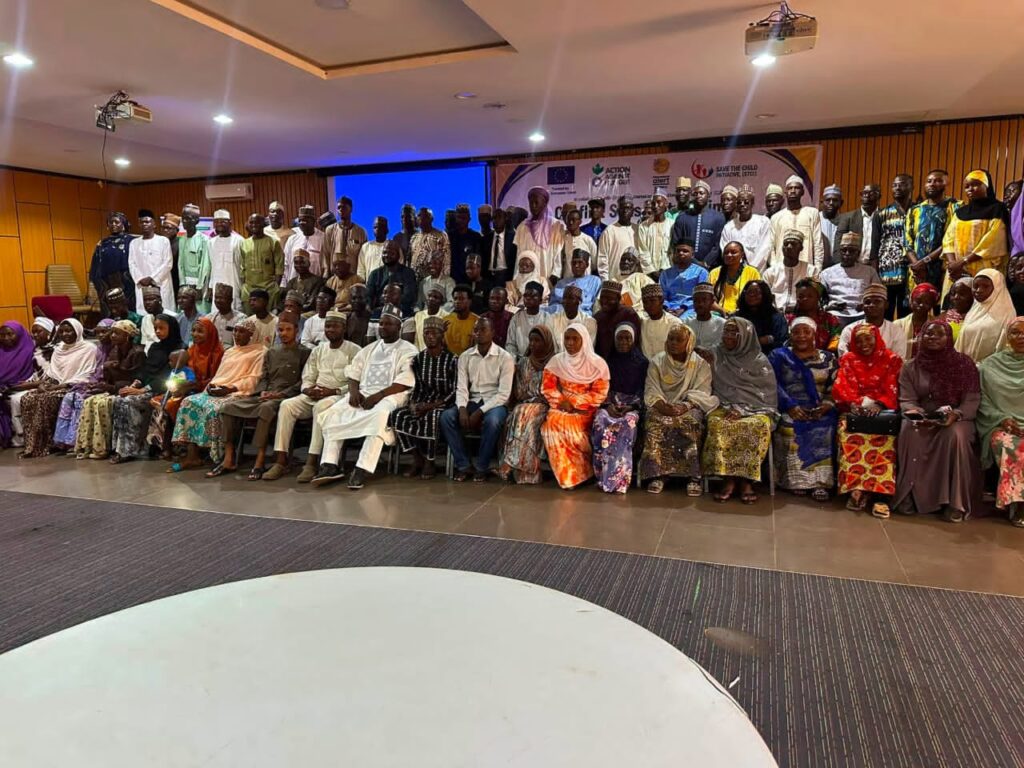
The programme, themed “Conflict Sensitivity Training for Media Practitioners and Influencers in Sokoto and Establishment of a Community of Practice,” focused on strengthening participants’ understanding of conflict dynamics and equipping them with practical skills to report sensitive issues accurately, responsibly and without contributing to further tensions.
In her welcome address, the RECAP Consortium Coordinator, Remikat Blessing Ayuba, said the training was designed to provide media practitioners and influencers with the knowledge required to report conflicts responsibly and avoid narratives that could deepen divisions within communities.
The Chairman of the Nigeria Union of Journalists (NUJ), Sokoto State Council, Comrade Usman Muhammad Binji, and the Chairman of the Sokoto State Council of Ulama, Sheikh Sidi A. Sidi, in separate goodwill remarks, commended the organisers and the European Union for supporting the initiative.
They described the training as timely, stressing that insensitive reporting could worsen tensions and contribute to the escalation of conflicts.
Representing the Sultan of Sokoto and President-General of the Nigerian Supreme Council for Islamic Affairs, Muhammad Sa’ad Abubakar, the Wazirin Sokoto, Prof. Sambo Wali Junaidu, urged journalists and influencers to use their platforms to promote peace and peaceful coexistence.
He emphasised the responsibility of media practitioners to consider the potential impact of their reports, particularly when covering sensitive security and communal issues.
The Project Manager of International Alert, Sanusi Audu, introduced participants to the RECAP peace and conflict analysis, highlighting the importance of understanding the underlying causes and dynamics of conflicts before reporting them.
In a presentation titled “Conflict Ecologies and Implications for Journalism,” the Publicity Secretary of the Arewa Consultative Forum (ACF), Prof. Tukur Muhammad Baba, examined the three conflict ecologies identified by the Peace and Conflict Analysis (PCA).
He explained how different conflict dynamics should influence the way journalists approach their reporting, noting that choices relating to sources, framing, language and the amplification of certain actors could affect the direction of a conflict.
Prof. Baba also guided participants on identifying high-risk narratives, threat-based framing and politicised interpretations, as well as approaches for countering harmful narratives.
In another presentation titled “The Media’s Constructive Role in Peacebuilding,” International Alert Conflict Expert, Dr Abdullahi Muhammad, emphasised the media’s potential to contribute positively to peacebuilding through accurate, balanced and constructive reportage.
He urged journalists and influencers to prioritise accuracy, balance and conflict sensitivity, stressing that responsible reporting can help reduce tensions, encourage dialogue and promote peaceful coexistence.
The training concluded with the establishment of a Community of Practice, providing a platform for participants to continue sharing experiences, strengthening conflict-sensitive reporting practices and supporting peacebuilding efforts.
Participants also committed to applying conflict-sensitive principles in their professional and social media activities and promoting narratives that support peace, understanding and peaceful coexistence in Sokoto State.