DSS Intercepts 21 AK-47 Rifles, Four Machine Guns Smuggled on Camels in Sokoto
By Fahad Faruk Galadanchi
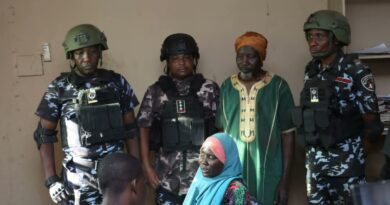
The Department of State Services (DSS) has intercepted a large consignment of arms and ammunition allegedly being transported from the Niger Republic to suspected armed groups in Nigeria’s North-West.
The operation reportedly took place on Tuesday, November 10, 2026, at Dawakawa in Goronyo Local Government Area of Sokoto State, as part of efforts to disrupt suspected cross-border weapons trafficking networks operating along the Nigeria-Niger border.
Security sources disclosed that the suspected smugglers were using camels to convey the weapons through remote routes and difficult terrain in an apparent attempt to evade security surveillance.
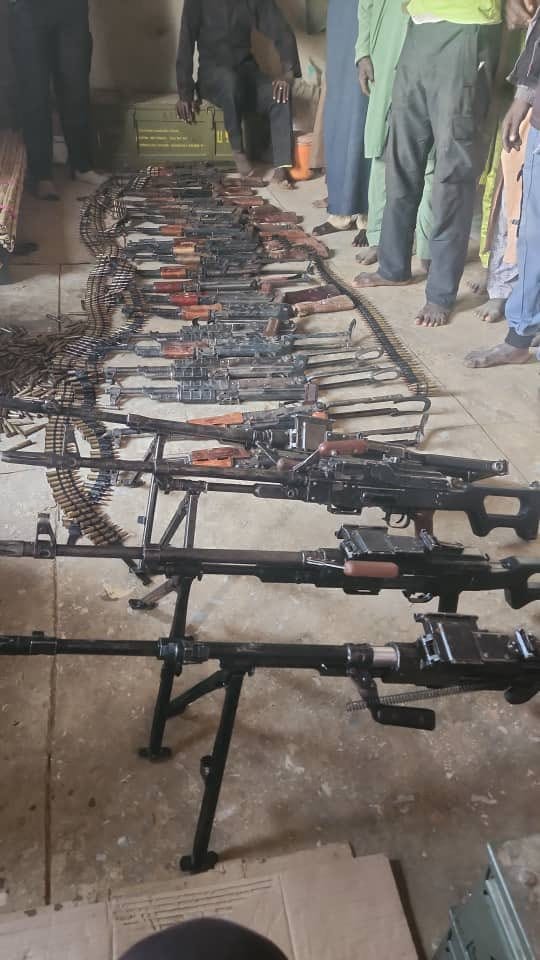
The recovered items included 21 AK-47 rifles, four PKT machine guns and 825 magazines.
The interception is believed to have disrupted a suspected weapons supply channel that could have been used to facilitate the activities of armed groups operating across parts of the North-West.
The use of camels to transport the weapons also highlights the unconventional methods allegedly adopted by criminal networks to exploit poorly monitored border routes and difficult geographical terrain.
The recovered weapons are expected to provide security agencies with leads to identify those behind the procurement, transportation and intended distribution of the arms.
Several communities along Nigeria’s border with the Niger Republic remain exposed to cross-border arms trafficking, banditry and other security threats.
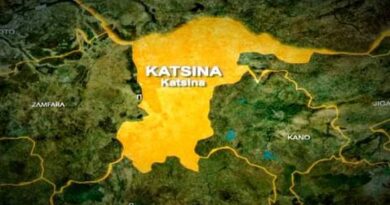
In Sokoto State, vulnerable border areas include Illela, Sabon Birni, Isa, Gudu and Tangaza. Other locations include Jibia, Kaita, Mai’Adua and Kongolam in Katsina State; Zurmi and Shinkafi in Zamfara State; as well as Kamba and Arewa Dandi in Kebbi State.
The areas are characterised by porous borders, informal trading routes and difficult-to-monitor rural terrain, which criminal networks, including bandits and suspected Lakurawa elements, are alleged to exploit for illicit activities.
The latest operation has renewed attention on the challenges of securing Nigeria’s extensive border corridors and the need for sustained intelligence gathering, effective surveillance and coordinated security operations.
It has also highlighted the importance of tracing the financiers, suppliers and distribution networks behind illegal arms trafficking, rather than focusing enforcement efforts solely on those involved in transporting the weapons.