Beyond the Sahel: Why the North Central “Security Creep” Demands a New Doctrine
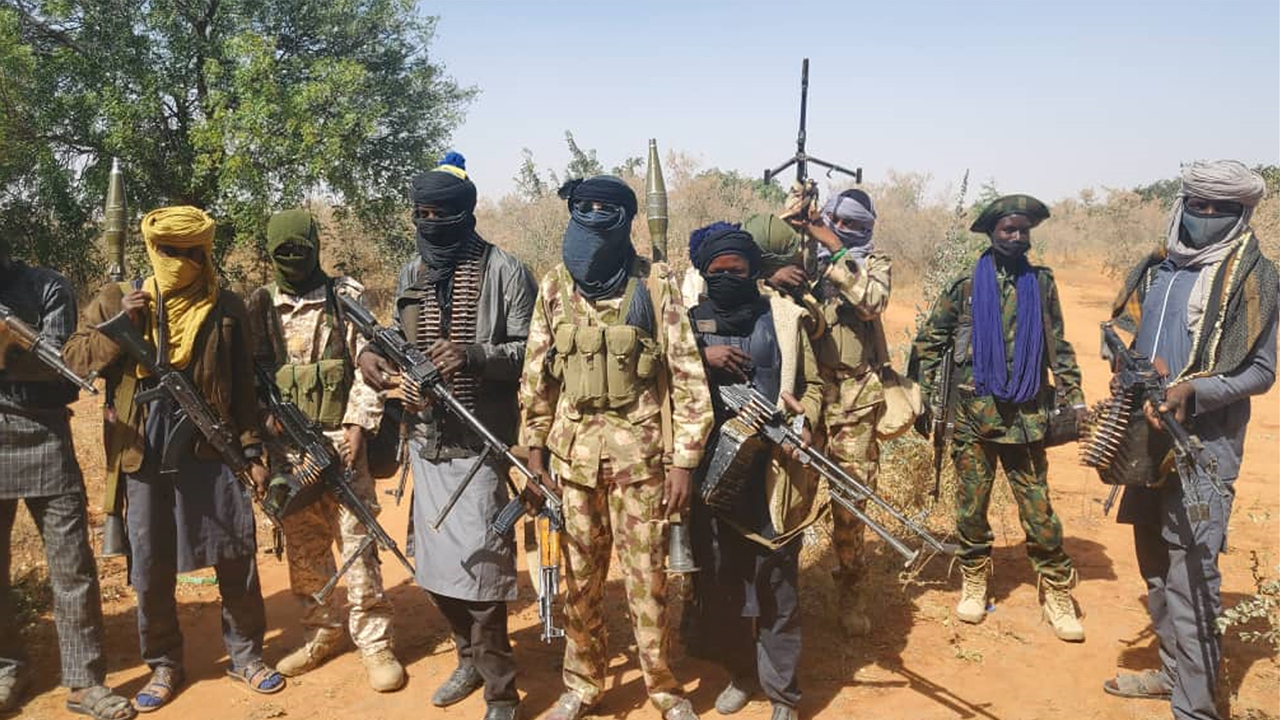
For decades, the security narrative in Nigeria was neatly categorized: the Northeast battled an insurgency, while the North Central grappled with “clashes.” However, in 2026, those labels have become dangerously obsolete. The recent surge in abductions and coordinated assaults in Kwara, Niger, and Plateau states reveals a “security creep” that is no longer accidental. The North Central, once considered the “food safe haven” of the nation, is now facing a sophisticated criminal-insurgency hybrid that threatens the very backbone of Nigerian survival: food security./sp
The numbers are staggering. Recent data suggests that the North Central zone has seen a 60% spike in abandoned farmlands over the last two years. When a farmer in Benue or Niger State cannot access his field due to the threat of kidnapping, the impact is felt 500 miles away in the markets of Lagos and Port Harcourt. We are witnessing the weaponization of hunger. By displacing rural communities, non-state actors are creating “territorial vacuums”—ungoverned spaces that serve as recruitment grounds and arms depots.
The traditional “firepower-first” doctrine of the Nigerian military is proving insufficient for this new reality. Dropping bombs on forest hideouts is a reactive measure that fails to address the socio-economic void left by a retreating state. To secure the North Central, the government must adopt a “Territorial Intelligence” doctrine. This involves rebuilding rural infrastructure to encourage farmers to return, deploying specialized forest rangers, and—most importantly—treating food security as a national security priority. We must move past the “farmer-herder” rhetoric and recognize that an empty food basket is as great a threat to the Republic as any foreign invader.
Disclaimer: This is a sponsored opinion piece. The views expressed here do not necessarily reflect the editorial position of Gaskiya Cast.