Falana: Nigeria’s Political System Favors the Rich, Excludes Ordinary Citizens
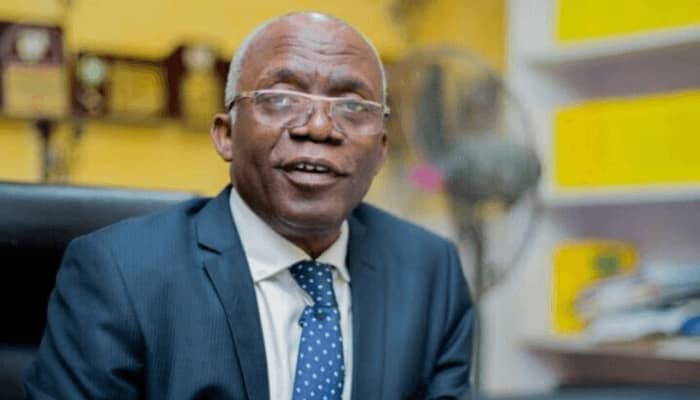
Renowned human rights lawyer, Femi Falana (SAN), has criticised Nigeria’s political financing structure, describing it as a system that effectively shuts out non-wealthy citizens from contesting elections.
Speaking during a public discussion on electoral reforms that gained traction online on Thursday, Falana argued that the high financial requirements attached to political offices, particularly the presidency, create unfair barriers to participation. According to him, the cost of running an office in Nigeria is so exorbitant that only billionaires can realistically afford to contest.
He noted that such financial demands exclude a large segment of the population, including professionals, workers, and young people, thereby undermining the democratic principle of equal opportunity. Falana stressed that electoral reforms should go beyond issues like electronic transmission of results and address deeper structural challenges, especially the monetisation of politics.
The senior advocate also questioned the neutrality of laws governing the political system, alleging that they are often influenced by elite interests. He maintained that while lawmakers are elected to represent the people, many policies end up favouring the wealthy class.
Falana reaffirmed his commitment to challenging unjust laws, both in court and through advocacy, emphasising that his pursuit of justice began long before his legal career.
He further recalled his earlier opposition to the high cost of nomination forms, particularly the ₦100 million fees charged by major political parties in 2022, which he described as unconstitutional and discriminatory against ordinary Nigerians.
Although the Independent National Electoral Commission has yet to respond to his recent comments, Falana insisted that removing financial obstacles in politics is crucial to improving democratic participation and rebuilding public confidence in Nigeria’s electoral system.
Watch the video below: