U.S. and Israel Launch Broad Strikes on Iran
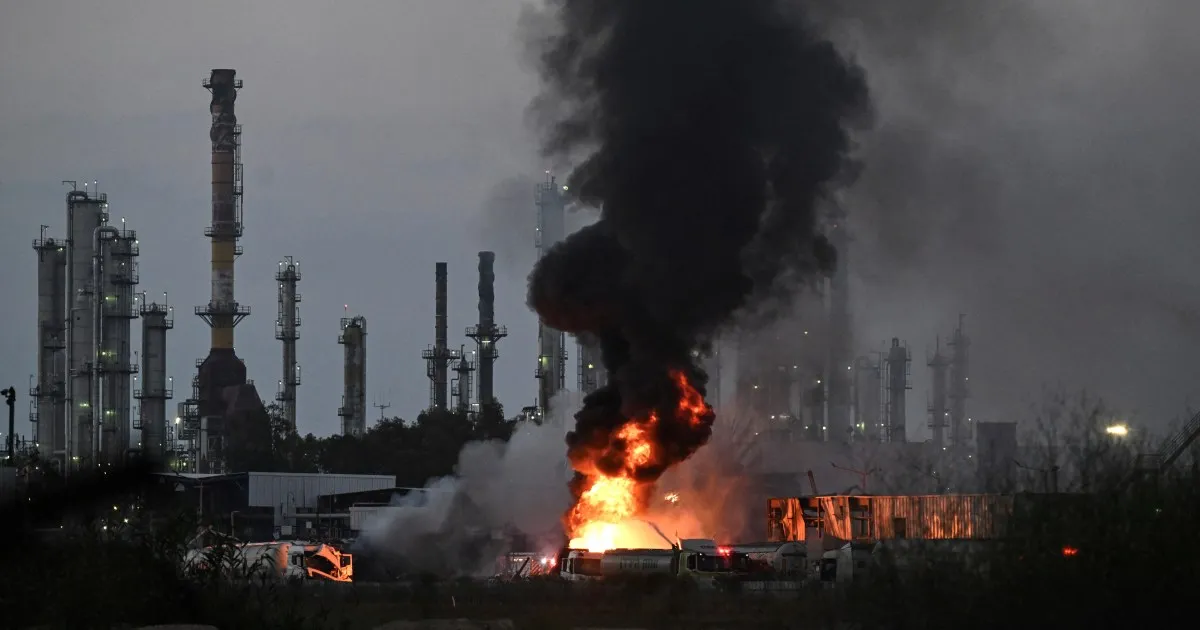
The global geopolitical landscape was jolted today as the United States and Israel launched a series of coordinated, large-scale air strikes against Iranian military targets. The operation, which targeted drone manufacturing facilities, missile silos, and command centers, represents the most significant escalation in the Middle East in decades.
A Response to Escalation
The strikes were described by the Pentagon as a “proactive defense” following a series of missile attacks attributed to Iranian-backed groups. The Israeli Defense Forces (IDF) stated that the operation aimed to “degrade and dismantle” the capabilities used to threaten regional stability.
The immediate impact was felt in the global markets. Oil prices spiked by over 7% within hours of the news, as traders feared a disruption in the Strait of Hormuz—the world’s most important oil chokepoint.
The Global Reaction
The world is now on edge, waiting for Tehran’s response. While some Western allies have expressed support for the strikes, others have urged extreme caution to avoid a “point of no return.”
- The United Nations: Secretary-General António Guterres has called for an emergency meeting of the Security Council, stating that “the world cannot afford another major war.”
- The European Union: Called for an immediate de-escalation, fearing a massive new wave of displacement and economic instability.
- The Global South: Many nations have expressed concern over the rising cost of energy and food as a direct result of the conflict.
As the smoke clears over Tehran and Isfahan, the question remains: is this the beginning of a full-scale regional war, or a calculated strike intended to force a diplomatic reset? The coming 48 hours will be some of the most consequential in modern history.